
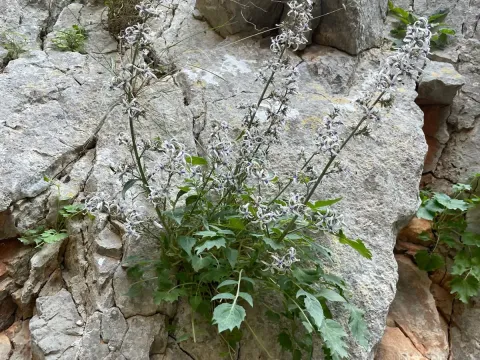
Petromarula
Petromarula
Petromarula (Petromarula pinnata) is a unique perennial herbaceous plant belonging to the Campanulaceae family. It is an endemic species native to the island of Crete, naturally found growing in rock crevices and on stony slopes. This habitat has shaped its resilience and specific requirements for survival in nutrient-poor, limestone-based soils.
What the section contains

Petromarula
Botanically, the plant is characterized by a basal rosette of pinnate leaves and tall, slender racemes featuring delicate, pale blue or violet flowers. In agricultural or horticultural settings, it demands exceptionally well-drained soil, as the plant is highly susceptible to root rot caused by waterlogging. High aeration of the root zone is the most critical factor for its successful establishment.
The plant thrives in Mediterranean-style climates, preferring bright, indirect light. While it is hardy regarding temperature fluctuations, it does not tolerate excessive humidity during the winter months. Providing a growing environment that mimics its natural stony, sun-drenched habitat is the best practice for ensuring the long-term health and vitality of the species.
Cultivation is primarily achieved through seed propagation. The seeds should be sown in a light, sandy medium enriched with grit or small gravel. Germination requires stable, cool-to-moderate temperatures and consistent moisture. Once established, the plants are relatively self-sufficient, requiring minimal intervention aside from seasonal monitoring of soil moisture levels.
The culinary use of Petromarula is a traditional practice in Crete, where its young leaves are harvested for salads. Because of its unique flavor profile and rare status, it is gaining interest among gardeners as both a specialty edible crop and a decorative addition to rock gardens or alpine collections. Its aesthetic appeal makes it a valuable species for niche horticulture.
The primary threats to Petromarula in cultivation are fungal diseases, particularly those affecting the roots due to poor drainage or excessive humidity. To mitigate these risks, growers must prioritize strict moisture control and ensure that the substrate remains airy and never remains saturated, especially during dormancy.
Common pests, such as slugs, snails, and aphids, may target the tender leaves, particularly during the early stages of growth or in damp conditions. Integrated pest management strategies, focusing on physical barriers or safe organic deterrents, are recommended to protect the plant without the use of harsh chemicals that could damage the sensitive vegetation.