
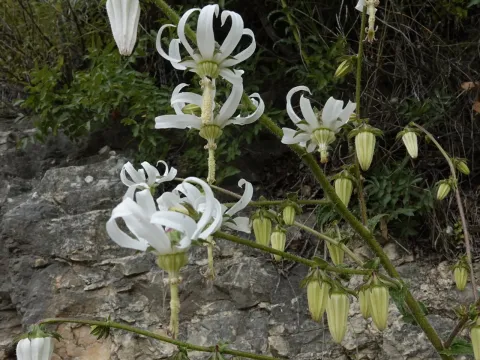
Michauxia
Michauxia
Seeds of Michauxia should be sown in autumn for natural stratification or in early spring under controlled conditions. Surface sowing is essential as the seeds require light to germinate effectively.
What the section contains


Michauxia
The growing medium must be highly porous and well-draining to support the development of young roots. A mixture of peat, perlite, and sand is highly recommended to provide the necessary aeration for delicate seedlings.
Maintain a stable temperature between 15 and 20 degrees Celsius during the germination period. Consistency in moisture levels is key; the surface should be kept damp but never waterlogged to avoid damping-off disease.
Transplanting seedlings should be done with extreme care, ideally before the development of a deep taproot. Moving plants to individual pots early on helps minimize root disturbance during the final planting stage.
Adequate spacing is vital for the long-term health of the plants. Allowing at least 50 centimeters between mature specimens ensures better airflow and reduces the probability of foliage disease development.
Michauxia belongs to the Campanulaceae family and thrives best in sunny positions with excellent soil drainage. They are well-suited for rock gardens or well-drained borders where they can express their architectural beauty.
The soil should be neutral to slightly alkaline and rich in minerals. Avoid heavy clay soils, as they retain too much moisture, which is detrimental to the survival of the plant during the winter months.
Watering requirements are moderate; while they need moisture to bloom, they must not sit in stagnant water. Establishing a drainage layer beneath the root zone is a common practice for successful long-term cultivation.
Protection from severe frost and excessive winter wetness is necessary in colder climates. Applying a protective layer of mulch or using a cloche can help keep the crown of the plant dry and safe from rot.
Annual fertilization with a balanced, slow-release fertilizer in early spring supports the growth of the impressive flower spikes. Avoid nitrogen-heavy fertilizers late in the season to ensure the plant hardens off properly.
Root rot is the most significant threat to Michauxia, usually caused by improper soil moisture management or lack of drainage. It often manifests as sudden wilting despite adequate or even excessive watering.
Pests such as aphids and spider mites can colonize the flower stalks during warm, dry spells. Early detection followed by the application of horticultural soaps or systemic insecticides is usually sufficient to control outbreaks.
Gastropods, including slugs and snails, are particularly attracted to young foliage. Implementing barriers like crushed gravel or copper tape can provide effective protection against these garden pests.
Powdery mildew may occur if the plants are situated in areas with poor ventilation. Regular pruning of damaged leaves and providing space for airflow significantly reduces the risk of fungal infections.
Proper sanitation in the garden is essential for long-term control of pathogens. Removing dead leaves and debris helps eliminate overwintering sites for both fungi and common insect pests.