
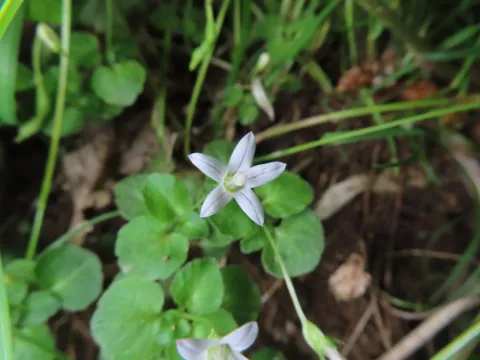
Peracarpa
Peracarpa
Peracarpa is a genus of perennial herbaceous plants belonging to the Campanulaceae family. While not a conventional agricultural crop for mass production, it is highly regarded in horticulture and specialized plant cultivation for its delicate growth habit and ground-covering ability.
What the section contains

Peracarpa
Native to the temperate regions of East Asia, including Japan, Korea, and China, this plant thrives in cool and humid environments. Its natural habitat suggests that it performs best in locations that mimic forest floors or shaded mountainous regions, away from harsh direct sunlight.
The cultivation of Peracarpa requires a well-drained, nutrient-rich, and slightly acidic soil. The plant is particularly sensitive to water stress; therefore, maintaining an evenly moist substrate is essential, especially during the peak growing season to prevent desiccation.
Botanically, it is recognized by its heart-shaped leaves and creeping stems. A significant biological trait is its production of cleistogamous flowers, which pollinate internally without opening. This evolutionary strategy ensures successful reproduction even when environmental conditions are not optimal for external pollinators.
In terms of practical use, Peracarpa is primarily used as an ornamental ground cover. It serves as an excellent candidate for rock gardens, shaded border patches, and terrarium culture, providing a lush, low-maintenance green layer that helps suppress weeds naturally.
The main threats to the health of this species include fungal infections such as root rot, which typically arise when soil drainage is poor or when plants are kept in stagnant, waterlogged conditions. Proper spacing and airflow are critical for mitigating these risks.
Pests such as slugs and snails are highly attracted to the succulent-like foliage of the plant. Control measures involve manual removal and the implementation of cultural practices that keep the surrounding soil surface dry, making it less hospitable to these common garden pests.