
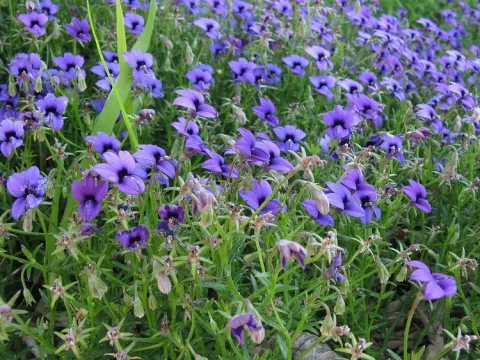
Monopsis
Monopsis
Sowing Monopsis seeds for seedlings should be performed in late winter or early spring, typically between February and March. The seeds are extremely small, so they should be sown on the surface of the growing medium and pressed gently without covering them with soil.
What the section contains


Monopsis
To ensure successful germination, cover the containers with clear plastic or glass to maintain consistent humidity. Keep the trays in a warm location with bright, indirect light, avoiding direct sunlight until the seeds have sprouted.
Prick out the seedlings once they develop at least two sets of true leaves, transplanting them into individual pots or cell trays. Begin hardening off the seedlings about two weeks before the planned transplanting date to acclimatize them to outdoor conditions.
Transplanting to the final location should only occur after the risk of late spring frost has completely passed. Monopsis is sensitive to cold shocks, so timing the transition to the outdoor environment is critical for established growth.
Direct sowing in the open field is generally discouraged unless the climate is consistently warm, as the initial growth rate is slow and young plants may struggle against environmental stressors.
Monopsis belongs to the Campanulaceae family and requires specific environmental conditions to thrive. It performs best in sunny locations, though in regions with intensely hot summers, it benefits from light afternoon shade to prevent heat stress.
The soil must be well-draining, lightweight, and moderately fertile. Monopsis is highly sensitive to waterlogged conditions, which can quickly lead to root rot and complete plant failure; therefore, proper drainage is non-negotiable.
Maintain a consistent soil moisture level throughout the growing season. While the plant needs regular watering, avoid keeping the roots continuously soggy, as this promotes disease development and limits nutrient uptake.
Apply a balanced liquid fertilizer every two weeks during the active growth and blooming phase. Avoid excessive nitrogen, as it encourages dense vegetative growth while simultaneously reducing the quality and quantity of the flowers.
This plant is highly valued for hanging baskets, containers, and borders, where its graceful habit can be fully appreciated. It remains a popular choice for gardeners seeking long-lasting floral displays throughout the summer.
Spider mites, aphids, and whiteflies are the primary pests that can infest Monopsis, especially when grown in containers or greenhouses. Regular monitoring and early intervention with appropriate insecticides are necessary to maintain plant health.
Powdery mildew is a common fungal threat, particularly in environments with poor air circulation and high humidity. Pruning crowded areas and applying systemic fungicides can help control the spread of the disease once detected.
Root rot is a major risk often caused by improper watering techniques or heavy, non-porous soil mixtures. Ensuring a high-quality drainage layer in pots and allowing the top layer of soil to dry slightly is the best preventative strategy.
Nematodes may cause stunted growth and wilting when Monopsis is planted in infested outdoor soil. Using sterile potting mixes and maintaining healthy soil conditions can significantly lower the risk of such soil-borne infestations.
Slugs and snails can cause significant damage to young foliage during the early stages of development. Using physical barriers or bait traps is effective in protecting young plants from these common garden mollusks.