
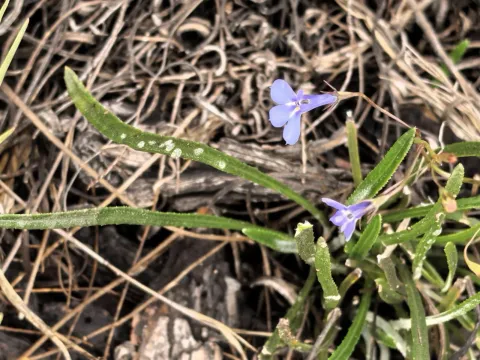
Naked lobelia
Lobelia nuda
Naked lobelia (Lobelia nuda) is a distinct species within the Campanulaceae family, valued for its biological characteristics and specific cultivation requirements.
What the section contains
Naked lobelia
Due to the microscopic size of its seeds, the sowing process requires precision, often involving mixing seeds with fine sand to ensure even distribution over the soil surface.
The seeds are light-dependent for germination, so they must be surface-sown and pressed down gently without being covered by a soil layer.
Early spring is the ideal timeframe for starting seeds in controlled indoor environments to achieve optimal development before the outdoor planting season.
Seedlings should be thinned out or transplanted carefully to prevent competition for resources, ensuring each plant has sufficient root space for healthy development.
This crop thrives in areas with high light intensity, though it requires protection from the most intense afternoon sun in warmer climates to avoid desiccation.
The ideal soil substrate should be well-draining, slightly acidic, and rich in organic matter to support the rapid growth of the root system.
Regular moisture is critical; however, the soil must never be waterlogged, as this leads to root hypoxia and subsequent decay of the plant tissues.
Temperature management is key, with a preferred range of 18 to 22 degrees Celsius, as extreme fluctuations can negatively impact the reproductive phases.
Fertilization regimes should focus on providing balanced nutrients to prevent excessive foliage development at the expense of floral initiation.
Fungal diseases are the primary threat to the crop, often triggered by poor ventilation and high humidity levels in the surrounding microclimate.
Root rot and stem blight represent the most significant risks, requiring strict adherence to sanitation and water management practices.
Pests such as aphids and spider mites can colonize the foliage rapidly, necessitating early detection and targeted treatments to maintain plant health.
Integrated pest management strategies are recommended to reduce reliance on chemical inputs while effectively protecting the crop from infestations.
- Frequent weeding to remove nutrient competitors.
- Monitoring leaf undersides for signs of mite colonies.
- Maintaining optimal air circulation to reduce humidity.