
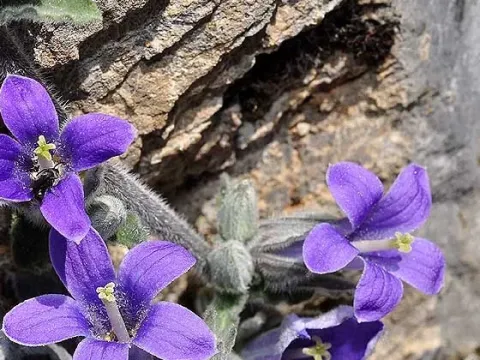
Campanula celsii
Campanula celsii
Campanula celsii is a perennial herbaceous plant belonging to the Campanulaceae family. Native to the eastern Mediterranean, this species thrives in rugged terrain, which has shaped its specific requirements for light and soil structure throughout its developmental cycle.
What the section contains
Campanula celsii
In a commercial or nursery setting, propagation is primarily achieved through seeds. Sowing is typically conducted in controlled environments during the late winter months to ensure that seedlings reach an appropriate size before the shift to outdoor climate conditions.
The seeds are exceptionally small, requiring a precise sowing technique. They should be surface-sown on a well-moistened substrate and left uncovered to allow for adequate light exposure, which is crucial for triggering the germination process in this specific species.
Temperature management during the germination phase is vital. Maintaining a stable environment between 18 and 22 degrees Celsius supports uniform sprout emergence, preventing the common issues associated with irregular seed development in early spring sowing.
Once seedlings develop their first true leaves, they are pricked out into individual pots. This practice provides the root system with sufficient room to expand, significantly increasing the survival rate and overall vigor of the plants when they are eventually transplanted.
Campanula celsii prefers high-sunlight locations to ensure robust growth and prolific flowering. Exposure to direct sunlight is essential, as shade often leads to etiolated stems and a significant reduction in the quantity and quality of the flower output.
The soil must be well-drained and possess a neutral to slightly alkaline pH level. While the plant is resilient, it suffers in waterlogged conditions, making soil composition critical. Amending heavy soils with grit or sand is a recommended agronomic practice.
Water management is a delicate balance; while the plant requires consistent moisture during its active growth phases, the roots must not remain in standing water. Drought tolerance increases as the plant matures, but consistent monitoring remains necessary.
Nutrient requirements are moderate. Over-fertilization, particularly with nitrogen, should be avoided, as it stimulates excessive foliage growth at the expense of flower production. A balanced, slow-release fertilizer is generally sufficient for healthy development.
Mulching is a standard practice to maintain root temperature and moisture levels. Utilizing organic material around the base of the plant not only conserves water but also suppresses weed emergence, effectively reducing the need for mechanical weeding.
The most significant threats to Campanula celsii include various fungal infections, particularly root rot and powdery mildew. These diseases are usually triggered by high humidity levels and poor air circulation, necessitating strategic spacing of plants in the field.
Pest pressure is a consistent concern, with slugs and snails posing a major risk, especially in moist environments. Implementing physical barriers or organic baiting systems helps protect the young, succulent parts of the plants from early-season damage.
- Monitor for aphid colonies on flower stalks.
- Inspect foliage regularly for signs of fungal spots.
- Remove debris to minimize overwintering pest sites.
- Apply targeted bio-insecticides only when necessary.
Aphids can rapidly infest flowering shoots, causing deformation and reduced aesthetic value. Early detection and localized treatment are preferred over broad-spectrum pesticide applications to preserve beneficial insect populations in the growing area.
Phytosanitary measures, including the immediate removal of diseased plants, are essential to prevent the spread of pathogens. Keeping the growth area clean and ensuring optimal ventilation are the best preventive strategies for managing the health of this culture.