
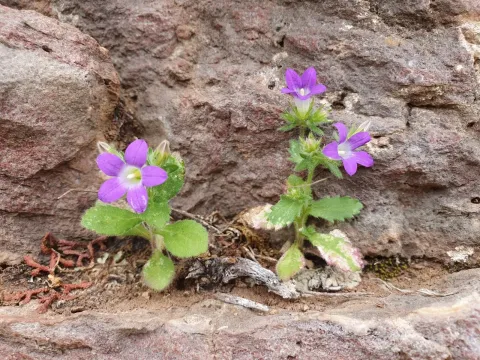
Campanula drabifolia
Campanula drabifolia
The sowing of Campanula drabifolia is best performed in the spring season when the soil temperature consistently reaches at least 15 degrees Celsius.
What the section contains
Campanula drabifolia
Using a well-draining seed starting mix is essential, as the seeds are extremely small and susceptible to damping off if the medium remains waterlogged.
Sow the seeds directly onto the surface of the soil, pressing them gently to ensure good contact, but do not cover them, as they require light to germinate.
For container-grown starts, maintain a steady ambient temperature of around 20 degrees Celsius to ensure uniform and rapid germination within 14 days.
Spacing should be managed carefully; keep the seedlings at least 15–20 centimeters apart to allow for proper air circulation as the plant matures.
This species thrives in full sun but prefers partial shade in areas with intense afternoon heat to prevent leaf scorching and rapid moisture loss.
Well-drained soil is a non-negotiable requirement, as Campanula drabifolia is highly sensitive to root rot triggered by water-saturated conditions.
Regular but moderate irrigation is key, ensuring the soil remains moist to the touch but never soggy during the peak of the growing season.
The plant performs best in neutral to slightly alkaline soil conditions; supplemental limestone can be added if the native soil is too acidic.
Fertilization should be handled with care; a balanced, slow-release fertilizer applied once in the spring is usually sufficient to support healthy growth.
Root rot remains the most significant threat to this crop, primarily caused by excessive irrigation or poor drainage systems in the field.
Powdery mildew can become an issue during periods of high humidity and poor airflow, manifesting as a white, dusty layer on the foliage.
Slugs and snails are notorious pests for this bellflower species, particularly during the early stages of plant development after spring rains.
Aphids may cluster on tender flower buds, requiring immediate intervention with insecticidal soap or neem oil to prevent stunted development.
To maintain a healthy crop, avoid overhead watering, as wet foliage is a primary breeding ground for fungal pathogens and bacterial spots.
Seed harvesting should be undertaken when the seed pods turn brown and begin to crack, indicating that the seeds inside are fully mature.
When harvesting flowers for ornamental use, cut the stems in the early morning to ensure high turgor pressure and maximize vase life.
To prepare the plant for winter dormancy, prune back the spent stems to the base after the final flush of blooms has faded.
Dried flower heads can be harvested for crafts by hanging them upside down in a dark, cool, and well-ventilated location for several days.
Ensure that all tools used for pruning and harvesting are sterilized to prevent the accidental transmission of diseases between plant groupings.