
Campanula bordesiana
Campanula bordesiana
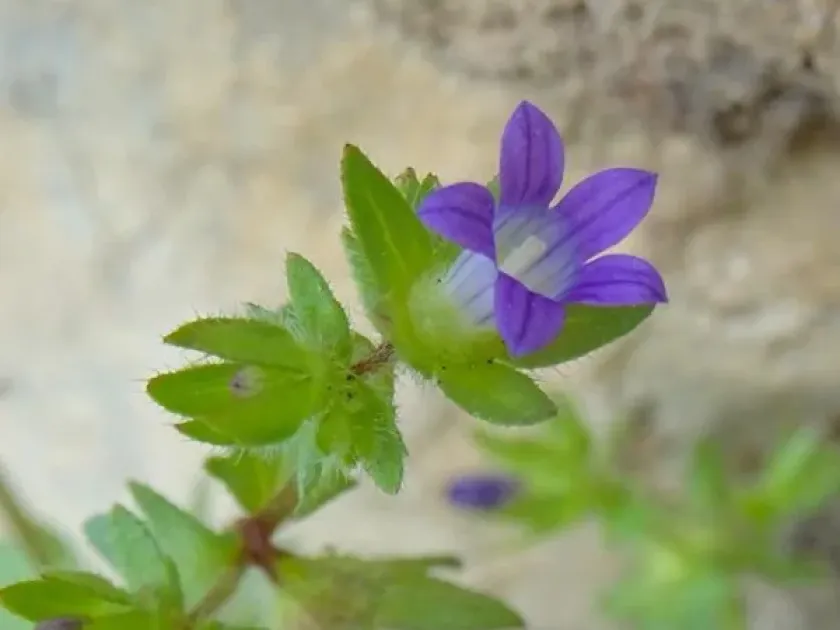
Description
Growing requirements
Campanula bordesiana is a perennial herbaceous plant belonging to the Campanulaceae family. Native to mountainous regions, this species is highly valued for its delicate appearance and adaptability to alpine conditions.
To ensure healthy growth, it is essential to provide well-drained, porous soil that prevents water accumulation. The root system is sensitive to prolonged moisture, making proper drainage an absolute requirement for successful cultivation.
The plant thrives in sunny locations but can tolerate partial shade during the hottest parts of the day. Consistent moisture levels are important during the active growing season, although the plant is drought-tolerant once established.
When used in gardening, it is perfect for rock gardens, gravel beds, or as a feature in container plantings. Its compact growth habit and profuse flowering make it a popular choice for high-altitude garden designs.
The culture is hardy and can withstand low winter temperatures, though providing protection against excessive winter moisture in heavy clay soils is recommended to maintain the plant's health over time.
Main diseases and pests
The main threats to this species include fungal pathogens such as root rot and powdery mildew, often occurring when air circulation is poor or soil moisture levels are excessively high.
Slugs and snails are the most prominent pests, particularly during wet seasons, as they feed on the soft tissue of the foliage and developing flower buds, damaging the plant's decorative appeal.
Effective management includes maintaining proper spacing between plants to encourage airflow, which significantly reduces the risk of fungal outbreaks in the dense foliage.
Integrated pest management strategies should be applied to address mollusk infestations, utilizing both physical barriers and authorized baits when necessary to protect the garden collection.
Routine maintenance, such as deadheading faded blooms and clearing debris from around the plant base, helps to improve plant hygiene and minimizes potential breeding grounds for common garden pests.