
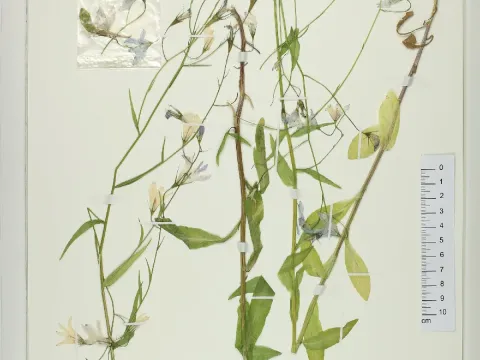
Campanula baumgartenii
Campanula baumgartenii
Campanula baumgartenii is a perennial herbaceous plant belonging to the Campanulaceae family. It originates from mountainous regions, specifically favoring rocky outcrops and limestone habitats.
What the section contains
Campanula baumgartenii
The cultivation of this plant requires conditions that replicate its native alpine environment. It thrives in well-lit areas but benefits from partial shade during the peak of the summer heat.
Soil drainage is the most critical factor for success; the plant requires a loose, neutral to slightly alkaline substrate that prevents any form of waterlogging.
Botanically, it is characterized by its basal rosette and delicate blue-violet flowers, which make it an excellent choice for rock gardens and specialized alpine collections.
Agricultural management should focus on maintaining a consistent but moderate moisture level, avoiding water contact with the foliage to prevent structural damage or fungal growth.
The primary threats to Campanula baumgartenii are fungal pathogens, specifically those causing root rot, which are triggered by excessive humidity or poor soil drainage.
Slugs and snails are the most common pests, as they are attracted to the succulent-like foliage and can cause significant damage in humid garden conditions.
Aphids may occasionally infest the plants, particularly if air circulation is poor or if the plants are stressed by improper environmental conditions.
Preventive measures include the application of grit or gravel mulch around the base of the plant to keep the crown dry and discourage pest activity.
Regular inspections and maintaining a clean, weed-free area around the rosettes are essential for minimizing the risk of infestation and disease spread.