
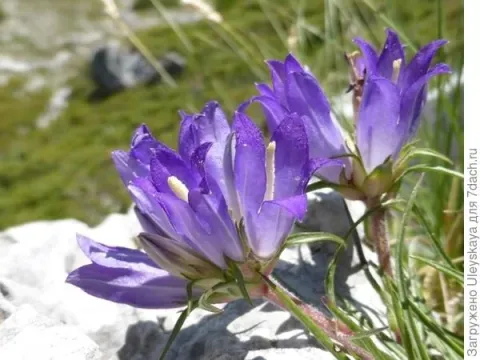
Campanula bertolae
Campanula bertolae
Sowing seeds of Campanula bertolae is best performed in the spring or late autumn for natural winter stratification. To achieve high germination rates, seeds should be sown on the surface of well-drained, sterile substrate.
What the section contains
Campanula bertolae
As the seeds are extremely fine, it is recommended to mix them with a small amount of fine sand to ensure even distribution across the seed tray. Press them gently into the soil without covering them deeply, as they require light to germinate.
Maintain consistent moisture levels during the germination phase by covering the container with clear plastic or glass. A cool environment with temperatures ranging from 15 to 18 degrees Celsius is ideal for early growth.
Seedlings should be pricked out when the first set of true leaves appears. Acclimatize the young plants to outdoor conditions gradually over a period of two weeks before planting them in their permanent garden positions.
For vegetative propagation, division of established clumps can be performed. This technique is best suited for early spring as the plant begins its active growth cycle, ensuring roots settle before summer heat.
Campanula bertolae belongs to the Campanulaceae family, which typically thrives in mountainous habitats. It requires a sunny to partially shaded site with protection from the scorching midday sun in hotter regions.
The soil must be well-drained and slightly alkaline to neutral in pH. Incorporating grit or coarse sand into the planting hole is highly recommended to prevent waterlogging, which the plant cannot tolerate.
Regular irrigation is necessary to keep the soil consistently moist but never waterlogged. During periods of drought, mulching with small pebbles or gravel helps retain moisture and keeps the root zone cool.
This species is well-adapted to alpine environments, meaning it appreciates cool nights and good air circulation. Excessive humidity and stagnant air should be avoided to promote overall plant health.
Nutrient requirements are relatively modest. A light application of balanced fertilizer during the early spring season is usually sufficient to support healthy foliage and flower production throughout the summer.
Common diseases affecting this species include fungal pathogens like powdery mildew, which thrive in humid and poorly ventilated conditions. Good spacing between individual plants is a primary preventative measure.
Slugs and snails pose a significant threat, especially to young, succulent growth. Implementing barriers or using organic molluscicides around the base of the plant can effectively manage these pests.
Aphids might infest the flower buds and tender shoots. While usually manageable by hand, persistent infestations may require the application of systemic insecticidal soaps or neem-based treatments.
Root rot is the most serious threat, usually resulting from inadequate drainage or excessive soil moisture. Once root damage begins, it is often difficult to reverse, making prevention the best strategy.
By monitoring the plants regularly for any signs of discoloration or wilting, gardeners can intervene early. Keeping the base of the plant free from decaying organic debris further reduces disease risks.