
Campanula crassipes
Campanula crassipes
Description
Sowing dates
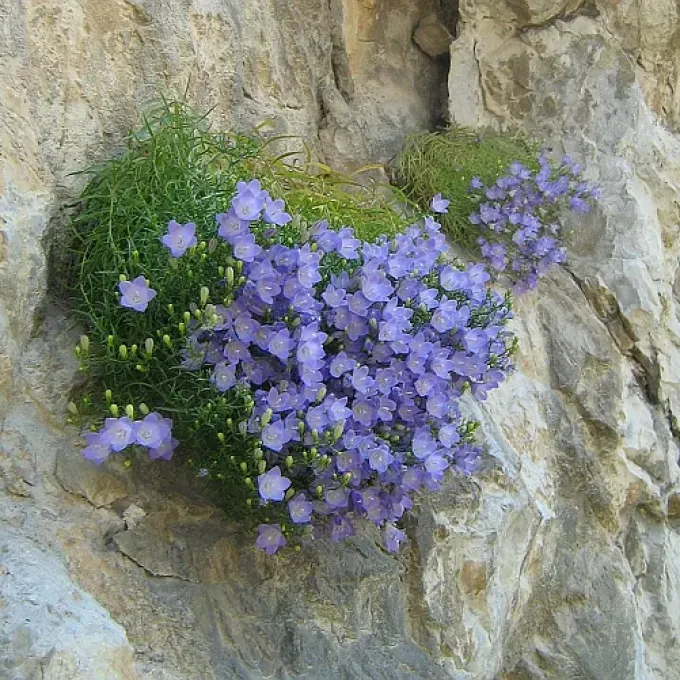
Campanula crassipes is a distinct species within the Campanulaceae family. It is known for its unique botanical structure, characterized by a thickened stem that helps the plant survive in its native Mediterranean habitats.
The plant is increasingly recognized in horticulture for its ornamental value. It belongs to a group of plants adapted to specific soil types, making it a valuable addition to landscape design and specialized gardening projects.
Its botanical features include a sturdy, thickened stem and a well-developed root system. These adaptations allow the plant to tolerate short periods of drought, which is a critical trait for successful establishment in various climates.
The leaves are typically lanceolate and arranged in basal rosettes, providing a lush appearance before and during the blooming period. The flowers maintain the classic bell shape characteristic of the genus, which is highly appreciated by botanists and gardeners.
In commercial production, propagation is managed through seed sowing or vegetative division. Both methods require controlled environmental conditions to ensure high survival rates and uniform growth across the crop batch.
Growing requirements
To ensure optimal growth, Campanula crassipes requires well-drained, porous soil. The plant is sensitive to waterlogging, so providing a substrate that facilitates rapid water runoff is essential for its long-term health.
Light requirements are focused on bright, indirect exposure. While the plant benefits from sunlight to stimulate flowering, intense midday exposure should be managed with shading to prevent tissue damage and wilting.
The species prefers a moderate climate. In regions where temperatures drop significantly below freezing, growers should implement protective measures or consider container cultivation to move the plants into shelter during winter months.
Water management is based on the moisture levels of the topsoil. Irrigation should be applied consistently but only when the surface is dry, preventing the saturation that often leads to physiological stress and pathogen proliferation.
Fertilization regimes should prioritize balanced NPK compositions during the active growing season. Applying macro- and micro-nutrients according to the plant's growth stage supports structural integrity and flower production.
Main diseases and pests
The main threats to the health of Campanula crassipes include fungal diseases, specifically those triggered by poor ventilation and excessive moisture. Root rot is the most common issue observed when irrigation protocols are not followed.
Insects like aphids and spider mites are frequent pests in both greenhouse and outdoor environments. These organisms sap nutrients from the leaves, leading to stunted growth and a decline in the plant's visual quality.
Disease management strategies rely on integrated pest management (IPM) practices, including the use of fungicides and environmental control to reduce humidity levels around the foliage.
Insect control requires periodic scouting and the use of targeted insecticides or acaricides. Maintaining clean tools and preventing overcrowding in planting rows are essential to minimizing the spread of pests.
Ensuring that the source material is disease-free is the first step in successful cultivation. Regular monitoring and quick response to early signs of stress significantly improve the overall yield and appearance of the crop.