
Campanula asperuloides
Campanula asperuloides
Campanula asperuloides is a rare perennial herbaceous plant belonging to the Campanulaceae family. Native to the limestone rocky areas of Greece, it has adapted to specific alpine conditions that define its cultivation requirements.
What the section contains
Campanula asperuloides
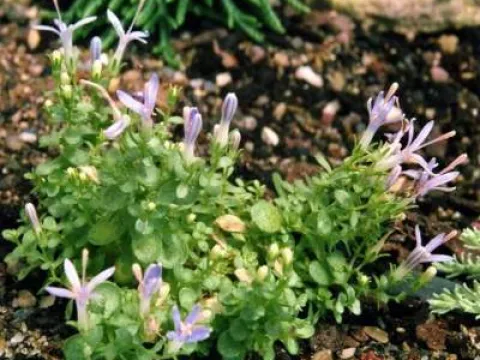
The plant is known for its delicate, star-shaped pale blue flowers and thin, prostrate stems. It forms low, dense mats, making it an excellent choice for specialized rock gardens and crevices.
Successful cultivation requires a gritty, well-draining substrate with a neutral to slightly alkaline pH. It is crucial to replicate its natural habitat where water does not linger around the root zone.
The species prefers sunny locations but requires protection from intense midday heat. Proper air circulation is vital for maintaining the health of the foliage and preventing crown rot.
Cultural practices include very light fertilization and careful water management. It is best to water the plant at the base to avoid wetting the leaves and stems, which can encourage fungal growth.
The most significant threat to Campanula asperuloides is root rot, which typically stems from poor drainage or excessive soil moisture during the dormant season.
Slugs and snails are the most damaging pests, often consuming the plant's delicate shoots overnight, especially in cool and damp conditions.
Aphids can infest the flowers and young foliage, sapping the plant's energy and causing stunted growth if left unmanaged.
Powdery mildew may occur if the plant is grown in areas with high humidity and insufficient airflow, requiring immediate environmental adjustments.
Regular monitoring and physical barriers, such as gravel mulch, are recommended to minimize pest damage and protect the plant from soil-borne pathogens.