
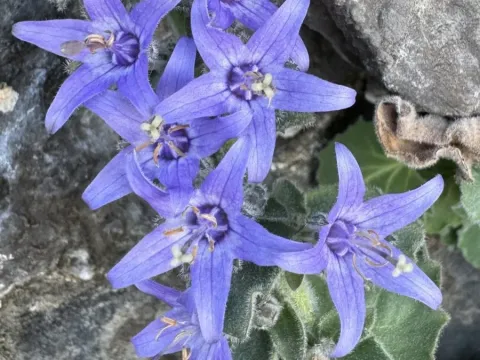
Campanula elatinoides
Campanula elatinoides
Campanula elatinoides is a perennial herbaceous plant belonging to the Campanulaceae family. It is a rare species native to the calcareous mountains of Lombardy, Italy, where it thrives in rocky crevices and scree slopes.
What the section contains
Campanula elatinoides
Botanically, it is distinguished by its heart-shaped basal leaves and upright flowering stems bearing star-shaped violet-blue flowers. This species is highly valued for its aesthetic appeal, particularly in alpine and rock garden settings.
Success in cultivation requires mimicking its natural environment. The plant demands excellent drainage, as it is highly susceptible to root rot caused by stagnant water. It prefers mineral-rich, alkaline soil, ideally containing crushed limestone.
Climate requirements include moderate moisture and protection from intense, direct midday sunlight. While it appreciates cool mountain air, it needs consistent watering during the growing season without allowing the soil to remain waterlogged.
In terms of usage, it serves as a specialized ornamental plant for collectors. Due to its specific growth habits and rarity, it is not grown for mass-market commercial agriculture, but remains a prized element for specialized alpine gardening displays.
The primary threats to Campanula elatinoides are fungal diseases related to improper moisture management. Excessive humidity or poor aeration often triggers root and crown rot, which can prove fatal to the plant.
Gastropods, particularly slugs and snails, represent the most significant pest threat. They are highly attracted to the plant's succulent foliage and can cause extensive damage if left unmanaged during the early growth stages.
Aphids may occasionally infest the plant during the spring flush, sucking sap from the tender developing flower stalks. Integrated pest management strategies, including the use of targeted insecticides, are recommended to maintain plant vigor.
Powdery mildew may occur if the plant is grown in areas with poor airflow and high humidity. Maintaining proper spacing and ensuring adequate ventilation are critical cultural practices for preventing this disease.
Weed competition is also a major risk factor for this delicate species. Because it grows slowly in its early stages, keeping the surrounding area free of weeds is essential to ensure it has enough light and nutrients to survive and bloom properly.