
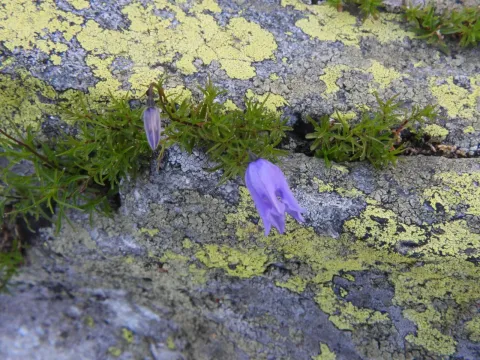
Campanula excisa
Campanula excisa
Sowing seeds of Campanula excisa is best performed in late autumn or early spring. The seeds require a mandatory period of cold stratification for 4–6 weeks to ensure high germination rates.
What the section contains
Campanula excisa
Use a light, well-draining substrate consisting of turf, peat, and sand in equal parts for sowing. Seeds should be sown on the surface, as they require light to germinate effectively.
The optimal temperature for seedling emergence is 15–18 degrees Celsius. Keep seed trays in a cool place, protected from direct sunlight, until the seedlings are ready for pricking out.
Prick out the seedlings once they develop two or three true leaves. The plants are highly sensitive to root disturbance, so transplantation should be handled with extreme care, preferably using the transfer method.
Transplant seedlings into the open garden in early summer once the threat of night frost has passed, allowing the root system to adapt to the new environment before the next winter season.
Campanula excisa is an endemic species from high alpine regions and prefers acidic to neutral, nutrient-poor rocky soils. In cultivation, it is crucial to prevent water stagnation around the root system.
The species has specific light requirements. It thrives in bright but diffused light; direct midday sun can cause scorching of delicate leaves and premature wilting of the plant.
The temperature regime should simulate mountain conditions. The plant does not tolerate high heat or prolonged summer drought, requiring regular but moderate watering with soft, lime-free water.
Applying gravel or stone chips as mulch is highly recommended. This helps prevent the plant's crown from coming into contact with moist soil, minimizing the risk of rot.
During the autumn and winter months, the plant requires excellent drainage and protection from excessive moisture, as stagnant melting snow can be fatal to its sensitive root structure.
The primary threats are fungal diseases caused by excessive moisture in the soil and air. Root rot is a common issue when drainage is inadequate or water remains stagnant.
Leaf spots may appear on the foliage if air circulation is poor, so it is important not to crowd the plantings. Fungicide treatment is used as a preventive measure in humid conditions.
Slugs and snails are the most significant pests for Campanula excisa, especially during wet seasons. They actively consume young shoots and flower buds, significantly damaging the plant's appearance.
Aphids may occasionally attack the tender tips of the stems during active growth. If pests are detected, use insecticidal soaps or mild biological pesticides to manage the population effectively.
To prevent the spread of diseases, remove dead plant material promptly and maintain cleanliness in the root zone, ensuring proper airflow around the base of the stems.
The agricultural and ornamental use of Campanula excisa is limited to specialized gardening and the collection of rare alpine flora. The species is prized for its unique flower shape with a characteristic notch.
Seed collection should take place after the seed capsules have fully ripened and turned brown. It is essential to harvest them before the capsules naturally open and release their contents into the soil.
Collected capsules should be dried in a well-ventilated, dry room before extracting the seeds. Properly stored in paper envelopes, the seeds maintain viability for 1–2 years.
In landscaping, this species is used for rock gardens, alpine troughs, and gravel beds. It is not intended for commercial mass production or large-scale agricultural use.
The flowering period lasts for several weeks during the summer, making it a highly desirable specimen for botanical gardens and enthusiasts of high-altitude mountain plants.