
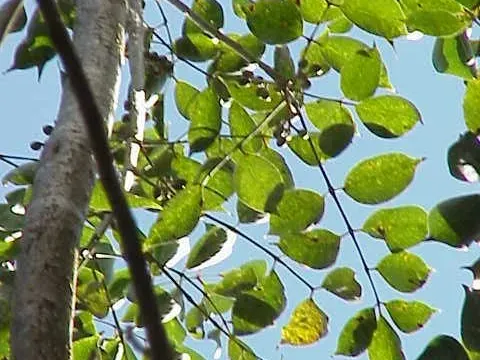
Bursera medranoana
Bursera medranoana
Bursera medranoana is a distinctive plant species belonging to the Burseraceae family. It is native to the seasonally dry tropical forests of Mexico, where it has evolved to survive in challenging arid conditions.
What the section contains
Bursera medranoana
The plant is categorized as a xerophyte, characterized by its ability to store water within its stems and branches, which helps it endure extended periods of drought in its natural habitat.
When cultivating this species, it is essential to provide a well-draining soil mix that mimics its natural rocky or sandy substrate. Drainage is the most critical factor in preventing root damage.
The plant thrives in full sun, requiring high light intensity to maintain its structural integrity and avoid etiolation. It is sensitive to extreme cold and must be kept in protected environments during winter months.
Given its unique botanical properties, Bursera medranoana is often sought after by plant enthusiasts for xeriscaping or as a specimen plant in specialized dry-climate gardens.
The primary threat to the health of Bursera medranoana is root rot, which typically develops when the plant is subjected to waterlogged soil conditions for too long.
Insect pests such as mealybugs and spider mites are common problems in indoor or greenhouse settings where air circulation may be limited.
To mitigate these risks, it is necessary to adhere to a strict watering schedule that allows the soil to dry out completely between irrigations.
Effective pest control includes monitoring the underside of leaves and branch junctions, followed by the application of horticultural oils or systemic insecticides if infestations occur.
Maintaining a dry environment with adequate ventilation significantly reduces the likelihood of fungal pathogens settling on the stems or root systems.