
Bursera penicillata
Bursera penicillata
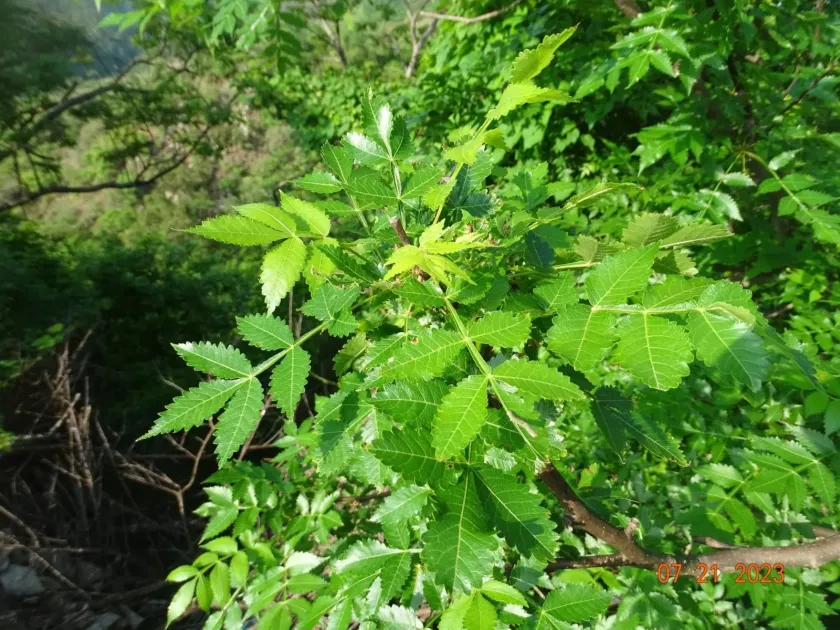
Description
Sowing dates
Propagation of Bursera penicillata is primarily conducted through seeds, although cuttings are frequently used in nursery settings to ensure genetic uniformity. Sowing should occur when soil temperatures consistently exceed 22–25 degrees Celsius.
Seeds often require scarification or soaking to overcome natural dormancy caused by the hard outer coat. In industrial plantations, seedlings are nurtured in containers until they reach a height of approximately 40 centimeters before field planting.
Transplanting into the field is ideally timed for the start of the rainy season, which aids significantly in root establishment. Spacing between trees should be generous, typically 5 to 7 meters, to allow for canopy development.
Initial growth stages require manual weeding and the application of balanced, low-nitrogen fertilizers to support the development of strong branches. Regular maintenance in the first three years is essential for high survival rates.
Once established, the trees show remarkable resilience. However, during the early stages, protecting the young trunks from mechanical damage and intense heat is advised for optimal health.
Growing requirements
Bursera penicillata is a member of the Burseraceae family, native to tropical dry forests. The species thrives in well-drained, sandy, or loamy soils where waterlogging is effectively prevented.
The climate must feature distinct wet and dry seasons, as the tree requires a period of dormancy to trigger the accumulation of essential oils within the wood. Frost is strictly detrimental and will kill the plant.
Full sun exposure is a mandatory requirement for this culture. Sufficient radiation is essential for the metabolic processes that convert secondary metabolites into the aromatic compounds sought by the industry.
Soil pH should remain within the neutral range. While the species can tolerate poor fertility, supplemental organic amendments improve the rate of growth and the total biomass yield per tree.
Good air circulation is necessary to prevent pathogenic fungal buildup in the canopy. Plantation sites on slopes or open fields are preferred over low-lying areas with stagnant air.
Main diseases and pests
The primary threats to Bursera penicillata are root-rot fungi, which proliferate in poorly drained soils during excessive rainfall. Proper site selection and drainage management are the most effective preventative measures.
Various species of boring insects may target the bark or heartwood of stressed trees. Monitoring for signs of larval galleries and removing infected branches can prevent large-scale infestations.
Leaf blight can occur in high-humidity conditions, causing premature defoliation. Ensuring that trees are planted with adequate spacing minimizes the humidity trapped around the leaves and stems.
Competition from invasive weeds during the early establishment phase can stunt tree growth. Sustainable weed management using organic mulch is recommended to suppress unwanted vegetation.
Although the plant is generally hardy, severe droughts during the first year of planting require supplemental irrigation to ensure the survival of the sapling until its root system is deep enough.
Harvesting
The economic value of Bursera penicillata lies in its aromatic wood, which is distilled to produce linaloe essential oil. This product is highly prized in the global fragrance and cosmetic markets.
Harvesting usually commences when the trees are 10 to 15 years old. The heartwood must be sufficiently mature, as younger wood produces oils with different chemical profiles and lower yields.
Rather than clear-cutting, sustainable management involves selective pruning of the branches. This method ensures the longevity of the tree and allows for repeated harvests over several decades.
The collected wood is chipped immediately after pruning to prevent the loss of volatile essential oils. Efficient processing requires mobile chippers or nearby distillation facilities to maintain freshness.
Refining processes involve steam distillation to separate the oil from the wood fibers. The quality of the final essential oil depends heavily on the speed and precision of the extraction process.