
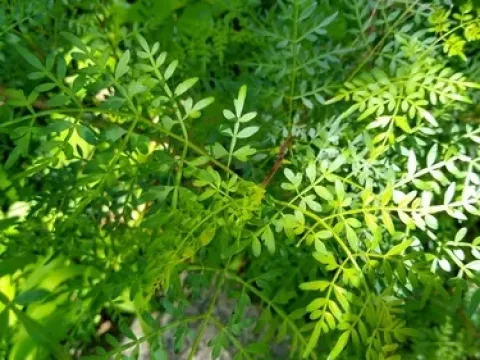
Bursera stenophylla
Bursera stenophylla
Bursera stenophylla is a unique woody plant belonging to the Burseraceae family. It is native to the arid landscapes of Mexico, specifically parts of Baja California, where it has adapted to survive in extreme desert conditions.
What the section contains
Bursera stenophylla
Botanically, this species is categorized as a succulent. Its main trunk serves as a specialized reservoir for moisture, which is a critical survival mechanism during long periods of drought in its natural habitat.
Climate requirements for this plant are centered on heat and intense light. To flourish, Bursera stenophylla needs full sun exposure; otherwise, it will lose its compact structure and vitality, which are essential for its distinctive aesthetic appearance.
Soil composition must prioritize drainage. A mineral-heavy substrate consisting of coarse sand, pumice, or perlite is recommended to prevent water accumulation near the root system, which is fatal for many desert species.
Agrotechnical management requires a strict seasonal cycle. Growers should mimic the plant's natural dormant period by significantly reducing irrigation during the cooler months, as the plant naturally sheds its leaves and enters a resting phase.
The primary threat to the health of Bursera stenophylla is root rot caused by waterlogged soil. This is usually a result of overwatering, particularly when the ambient temperature is too low for the plant to transpire efficiently.
Mealybugs are the most common pests that can infest the plant, usually gathering in protected crevices along the stems. Regular inspections are necessary to detect and treat these pests early before they spread significantly.
Spider mites represent another potential issue, especially in greenhouse environments with low humidity. Maintaining adequate airflow is an effective preventative measure against mite infestations.
Fungal infections can occur if the plant is pruned with dirty tools or if mechanical damage to the bark is not allowed to callus over. Always ensure that cutting tools are sterilized to prevent the transmission of pathogens.
Lastly, improper fertilization remains a significant concern. Over-application of nitrogen can lead to rapid, weak growth that makes the plant more susceptible to both physical stress and various opportunistic diseases.