
Bursera hindsiana
Bursera hindsiana
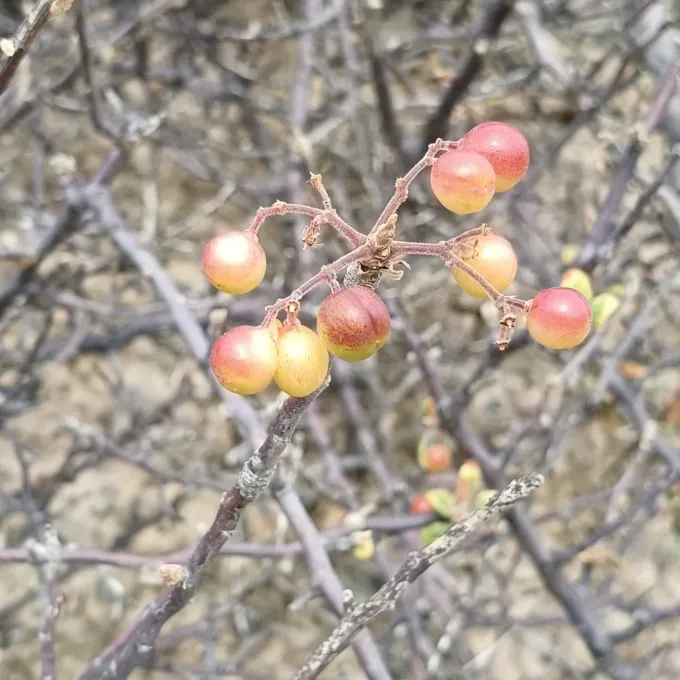
Description
Growing requirements
Bursera hindsiana is a fascinating woody species belonging to the Burseraceae family, native to the arid desert regions of the Baja California Peninsula in Mexico. This plant is well-adapted to extreme environmental stressors, displaying unique survival strategies that define its biological profile.
Botanically, it presents as a shrub or small tree characterized by a papery, exfoliating bark that sheds in thin, brownish layers. Its foliage is sparse and pinnate, designed to drop rapidly during droughts to preserve internal moisture, making it an excellent example of a drought-deciduous woody plant.
Optimal growth requires high-intensity solar radiation, simulating the harsh exposure of its natural desert habitat. In a controlled cultivation environment, the plant must receive full, direct sun to maintain its structural integrity and prevent the etiolation of branches, which would diminish its aesthetic value.
The substrate requirements are strict: the soil must be highly porous and inorganic. A professional mix consisting of volcanic rocks, perlite, and coarse sand is highly recommended. Because the species is prone to root rot in poorly aerated soils, providing an excellent drainage system is the most critical aspect of its care.
Climatologically, Bursera hindsiana thrives in high-temperature ranges with significant diurnal fluctuations. It is not frost-tolerant, meaning that in temperate cultivation zones, the plant must be kept as a container specimen and moved to a temperature-controlled indoor environment before the onset of the cold season.