
Bursera inaguensis
Bursera inaguensis
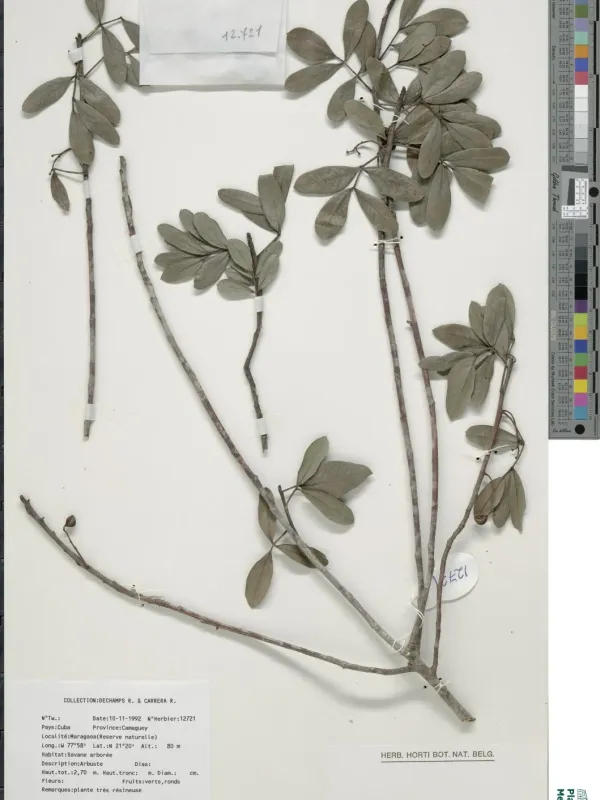
Description
Growing requirements
Bursera inaguensis is a fascinating woody plant belonging to the Burseraceae family. Native to the Bahamas, specifically Inagua Island, this species has evolved in limestone-rich environments, showcasing remarkable resilience to harsh conditions.
The plant is known for its drought-tolerant nature, making it a specialized subject for xeriscaping or ornamental gardening in suitable climates. Its ability to store water within its tissues is a key physiological feature that supports its survival in arid tropical zones.
Cultivation requires full sun exposure to maintain the plant's compact and healthy growth habit. In low-light environments, the plant tends to become etiolated and loses the aesthetic appeal of its characteristic woody structure.
Soil requirements focus on high drainage capacity and alkalinity. Incorporating limestone grit into the planting medium mimics its natural habitat and provides the necessary minerals for robust development.
The climate must be strictly frost-free, as Bursera inaguensis cannot tolerate cold temperatures. Proper air circulation is just as important as heat, ensuring that the plant stays dry and avoids physiological stress.
Main diseases and pests
The most significant threat to Bursera inaguensis is waterlogged soil. Root rot is the primary cause of mortality in cultivation, often resulting from improper watering schedules or poorly draining substrate.
Common indoor or greenhouse pests include spider mites and mealybugs, which thrive in stagnant, dry air conditions. Regular monitoring is essential to prevent these pests from spreading across the foliage.
Fungal infections may occur if humidity levels are too high or if water collects on the bark for extended periods. Maintaining a dry environment around the stems is crucial for long-term health.
Mechanical injuries during pruning or transport can serve as entry points for secondary pathogens. Using sterile tools and applying wound sealants can help protect the plant during its maintenance cycles.
Proactive management of the microclimate, including the use of fans for better air exchange, significantly lowers the risk of pest outbreaks and fungal pathogens, ensuring the tree remains vigorous.