
Bursera frenningiae
Bursera frenningiae
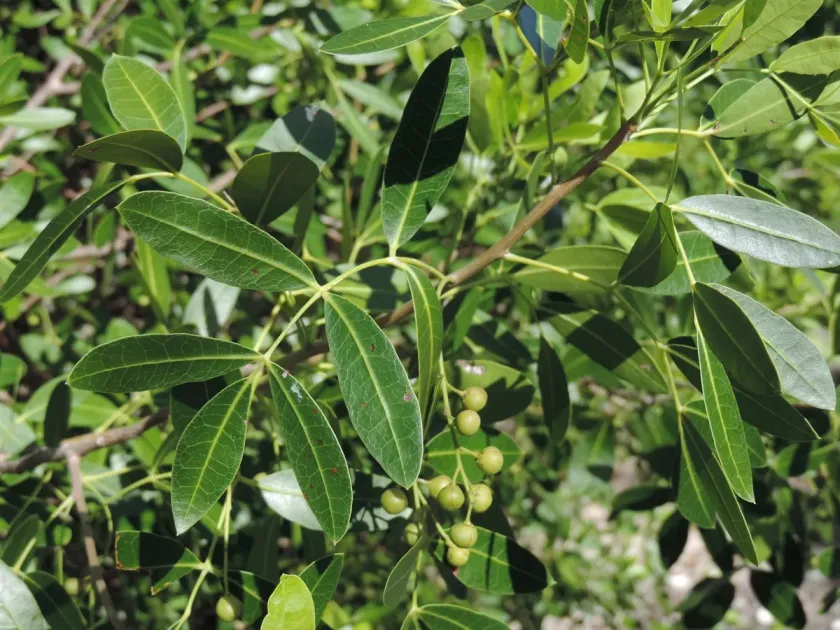
Description
Growing requirements
Bursera frenningiae is a distinct species within the Burseraceae family, recognized primarily for its ability to develop a significant caudex. This adaptation allows the plant to thrive in arid environments where water availability is sporadic and unpredictable.
Native to the dry regions of Mexico, this species has evolved in harsh, sun-drenched landscapes. Understanding its natural habitat is key to successful cultivation, as it requires conditions that mimic these dry, rocky, and high-light environments.
The primary cultural requirement is intense light exposure. To maintain the compact shape and health of the caudex, the plant should be placed in the brightest possible location. In indoor settings, high-output artificial lighting may be required during the growing season.
Soil composition must be extremely porous and well-draining. A mix consisting primarily of inorganic materials such as pumice, perlite, and coarse sand is ideal, as it prevents root rot and ensures the roots receive adequate aeration.
Watering should be deep but infrequent during the growing season, allowing the soil to dry out completely between applications. During the dormancy period in winter, watering should be strictly reduced or halted to prevent physiological stress.
Main diseases and pests
The most common and lethal threat to Bursera frenningiae is root rot caused by stagnant water in the root zone. This issue is almost always a result of overly organic soil or excessive watering during cool or low-light conditions.
Mealybugs are a frequent pest that can infest the crevices of the bark and the leaf axils. Due to the complex structure of the plant, these pests can be difficult to eradicate once they establish a colony, requiring persistent treatment with systemic insecticides.
Spider mites are another common challenge, especially in environments with low humidity. These pests thrive in dry air and can cause significant damage to the foliage, resulting in yellowing and leaf drop if left unchecked.
Fungal pathogens can occasionally affect the caudex if there are wounds or damage to the bark. Keeping the plant in a well-ventilated area helps mitigate the risk of fungal growth and promotes the rapid healing of any potential injuries.
Nutritional imbalances or deficiencies are rare if the plant is repotted into fresh, nutrient-rich mineral mix occasionally. Avoiding heavy fertilization is recommended, as this can force weak growth that is more susceptible to environmental stressors and pest attacks.