
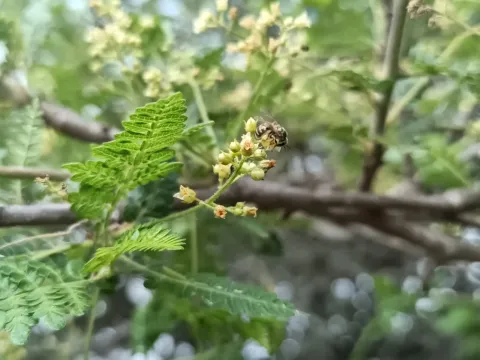
Bursera bipinnata
Bursera bipinnata
Propagation of Bursera bipinnata in controlled environments is typically achieved through seeds or semi-hardwood cuttings. Seeds should be sown immediately after collection, as their viability decreases significantly over time.
What the section contains
Bursera bipinnata
The optimal time for sowing is at the end of the dry season, just before the arrival of the rainy season. This allows young seedlings to establish a robust root system during the period of increased soil moisture.
Scarification of the seeds is highly recommended to mimic natural processes and break the hard seed coat. Sowing is best performed in a loose, well-draining substrate rich in sand and bark components.
The temperature range for successful germination should be maintained between +22 and +28 degrees Celsius. Preventing waterlogging is crucial, as excess moisture leads to seed rot before germination.
Seedlings should be transplanted into individual containers once they reach a height of 10–15 centimeters. During this phase, it is vital to provide partial shade to protect young plants from intense heat stress.
Bursera bipinnata is a perennial woody plant belonging to the Burseraceae family, recognized globally for the aromatic resins it produces.
The species is endemic to the tropical regions of Mexico and Central America, where it thrives in seasonally dry tropical forests. The tree is evolutionary adapted to distinct alternating seasons.
High light intensity is a fundamental requirement for this culture: direct sunlight throughout the day is necessary for optimal metabolic rates and essential oil production. Growth is significantly stunted in shaded areas.
Soil preferences involve well-drained, rocky, or sandy soils with a neutral to slightly alkaline pH. Proper aeration is essential, and any form of water stagnation will lead to root system decay.
While the tree is accustomed to significant diurnal temperature fluctuations, commercial plantations must avoid frost, as freezing temperatures can cause irreversible structural damage to the wood.
The primary economic output of Bursera bipinnata is the aromatic resin, commercially known as "copal." Harvesting is conducted through gentle tapping of the bark during the tree's dormant season.
Yields of resin depend heavily on the maturity of the tree, its overall health, and the intensity of solar exposure. Commercial harvesting typically begins 8 to 10 years after initial planting.
The quality of copal is evaluated based on its clarity and the concentration of terpene compounds. Sustainable tapping techniques ensure that the tree continues to produce resin annually without compromising its lifespan.
The wood of this species is lightweight and porous, limiting its use in heavy construction but making it an excellent material for artisanal crafts and decorative objects.
Essential oils extracted from leaves and bark via steam distillation represent a high-value niche market, particularly within the perfume and aromatherapy industries.
The main threat to Bursera bipinnata plantations is fungal infection, which occurs primarily due to poor ventilation and excessive moisture. Root rot is the most common disease under unfavorable conditions.
Pest damage is primarily caused by wood-boring beetle larvae, which create tunnels in the trunk and branches, weakening the tree's health and reducing the overall resin yield.
In greenhouses or controlled environments, the plant is frequently targeted by spider mites, which propagate rapidly in low-humidity, high-temperature conditions. Monitoring the underside of leaves is necessary.
Mealybugs can also pose a threat to young shoots and leaves. Effective management involves the use of targeted insecticides or mechanical removal depending on the severity of the infestation.
Disease prevention relies on strict adherence to spacing protocols to allow for proper airflow and avoiding over-fertilization with high-nitrogen mixes, which may attract pests.