
Bursera
Bursera
Bursera is a genus of flowering plants in the family Burseraceae, consisting of trees and shrubs native to tropical and subtropical regions of the Americas. They are highly recognized for their ability to thrive in arid environments, often serving as keystone species in tropical dry forests.
What the section contains


Bursera
Cultivation of Bursera requires high light intensity, as the plants are adapted to full sun exposure throughout the year. Providing insufficient light levels often results in weak, spindly growth and a significant reduction in the plant's natural resistance to environmental stress.
The ideal soil for Bursera must be exceptionally well-draining, mimicking the rocky or sandy terrain of its native habitat. A potting medium consisting of coarse mineral substrates is essential to prevent water accumulation near the root crown, which is the primary cause of mortality.
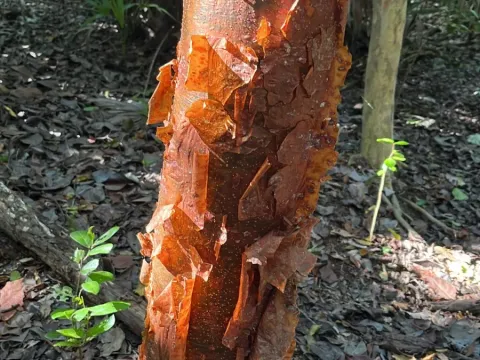
Botanically, these plants are known for their aromatic bark, which often peels in thin, papery strips. The foliage is typically compound and produces distinctive terpene-rich oils that contribute to the plant's overall resilience against herbivores and environmental pathogens.
In terms of хозяйственное (economic) utility, the genus is historically and commercially important for the production of copal resin. This natural product is extensively used in the production of high-quality varnishes, incenses, and various artisanal crafts, reflecting its cultural significance.
The most significant threat to Bursera in a cultivated environment is root rot, triggered by inadequate drainage or over-watering, particularly during the dormant season when the plant's metabolic activity slows down.
Fungal infections of the stems and branches can occur when the plant is kept in conditions with poor air circulation or consistently high humidity, which prevents the bark from drying properly.
Scale insects and mealybugs are the most persistent pests affecting Bursera, often hiding in the crevices of the bark or around the base of the leaves where they extract plant sap.
Spider mites may also appear in dry, indoor conditions, causing the foliage to lose its vigor and turn chlorotic if the infestation is not addressed with appropriate mitigation strategies.
Maintaining a dry environment, regular monitoring for signs of infestation, and ensuring adequate spacing between plants are the best preventive measures to keep Bursera healthy and productive.