
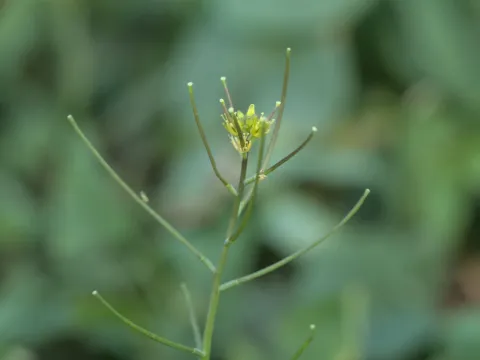
Sisymbrium erysimoides
Sisymbrium erysimoides
Sisymbrium erysimoides is an annual herbaceous plant belonging to the Brassicaceae family. It is recognized for its robustness and ability to thrive in various Mediterranean-type climates, functioning both as a wild plant and a potential minor crop in specific ecological niches.
What the section contains
Sisymbrium erysimoides
The plant thrives in well-drained, fertile soils with a neutral or slightly alkaline pH. It is particularly well-adapted to disturbed sites and open fields, demonstrating a high tolerance for varying soil textures ranging from sandy loams to heavier clay-based substrates.
Climatically, Sisymbrium erysimoides prefers sunny, exposed locations with temperate growing conditions. It is highly efficient at utilizing early spring moisture, which allows for rapid vegetative growth before the onset of the heat of mid-summer.
Botanically, it features an erect, branched stem and characteristic lyrate-pinnatifid leaves. The inflorescence consists of small, bright yellow flowers arranged in racemes, which eventually develop into elongated siliques containing numerous small seeds, ensuring effective self-propagation.
Cultivation techniques involve preparing a fine, weed-free seedbed to ensure optimal germination. Since the seeds are small, sowing depth should remain shallow to prevent exhaustion of the seedling's energy reserves before emergence occurs.
The primary agricultural threats to Sisymbrium erysimoides are typical Brassicaceae pests, such as flea beetles, which can cause significant damage to young seedlings. Effective management often involves monitoring early growth stages and applying targeted insect control measures.
Clubroot is a major pathological concern, especially in fields where mustard-family crops have been cultivated repeatedly. Implementing a strict crop rotation cycle is essential to interrupt the lifecycle of this soil-borne pathogen and maintain plant health.
Powdery mildew and various fungal leaf spots can develop under conditions of high humidity and poor air circulation. Proper plant spacing is a critical agronomic factor in mitigating the risk of these diseases and ensuring healthy development of the stand.
Aphids pose a threat by colonizing the tender tips of the plants and extracting sap, which stunts growth and may spread secondary viral infections. Control methods should focus on maintaining a balanced nutrient supply to improve the plant's natural resistance.
Integrating pest management strategies that emphasize ecological balance, such as encouraging beneficial insects and avoiding over-application of nitrogen, helps maintain the longevity and yield potential of the Sisymbrium erysimoides crop.