
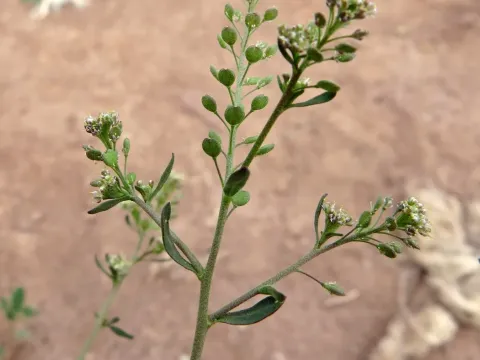
Pinnate pepperweed
Lepidium pinnatifidum
Pinnate pepperweed is an annual herbaceous plant typically grown in open fields during the early spring season. The seeds require cool to moderate temperatures for germination, making it an ideal candidate for early-season crop rotations in temperate climates.
What the section contains
Pinnate pepperweed
Sowing should be done in rows spaced approximately 20 centimeters apart to ensure adequate airflow and ease of maintenance. The seeds are small and should be sown shallowly, generally not exceeding 1 centimeter in depth, to ensure they emerge uniformly.
As a member of the Brassicaceae family, this plant thrives in environments that provide consistent moisture throughout its growth cycle. Drought stress often forces the plant to trigger its reproductive stage early, causing it to bolt prematurely and lose culinary quality.
The ideal soil for pinnate pepperweed is a well-drained, fertile loam that is rich in organic matter. While it is adaptable to various soil types, maintaining a neutral pH level is crucial for ensuring the bioavailability of essential nutrients needed for lush foliage.
Pinnate pepperweed requires a significant amount of direct sunlight to maximize its growth rate. Shaded areas should be avoided as they significantly delay maturity and result in weaker, more leggy plants that are more susceptible to environmental stressors.
The most common agricultural challenge is the infestation of flea beetles, which can cause significant damage to young seedlings. Integrated pest management, such as the use of row covers or companion planting, is often necessary to protect the crop during its vulnerable stages.
Pathogenic threats include fungal issues such as downy mildew, which are more common in areas with high humidity or poor drainage. Proper crop rotation is the primary defense strategy to prevent soil-borne diseases from building up over consecutive planting seasons.
The harvest phase is short, typically occurring within 4 to 6 weeks from the initial seeding. Leaves should be harvested while they are young and tender, as the plant's flavor profile can become overly spicy or bitter as it approaches the full flowering stage.