
Pritzelago
Pritzelago
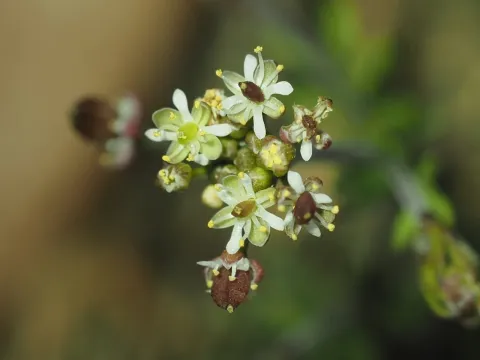
Pritzelago is a genus of small herbaceous plants belonging to the Brassicaceae (mustard) family. The most prominent species, Pritzelago alpina, is widely recognized for its compact growth habit and its ability to thrive in harsh, elevated environments.
What the section contains
Pritzelago
The origin of this genus is tied to the mountain ranges of Europe, particularly the Alps and the Pyrenees. These plants are naturally adapted to high-altitude environments, often found growing in limestone crevices and rocky scree slopes where other vegetation struggles to survive.
In cultivation, Pritzelago requires excellent drainage and a substrate that mimics its natural habitat, typically consisting of grit and mineral-rich, alkaline soil. It is essential to avoid waterlogged conditions, as the root system is highly sensitive to excessive moisture.
The plant demands a cool climate and full sun exposure. High temperatures combined with humidity during the summer months pose a significant challenge for gardeners in warmer regions. Providing sufficient air circulation is critical to maintaining the plant's health throughout the growing season.
Pritzelago is primarily utilized in ornamental horticulture as a specialized plant for rock gardens and alpine houses. Its ability to form dense, low-growing mats makes it highly sought after for creating authentic mountain-themed landscapes and crevice garden displays.
The primary threats to Pritzelago are fungal diseases resulting from poor drainage and high humidity. Root rot and damping-off are common issues that occur when the growing medium remains saturated for too long, particularly during the transition between winter and spring.
Insects and gastropods are the main pests affecting this culture. Slugs and snails are particularly problematic, as they can quickly defoliate the succulent-like foliage. Additionally, crucifer flea beetles may attack the leaves, especially if the plants are situated in areas with lower elevation and warmer temperatures.