
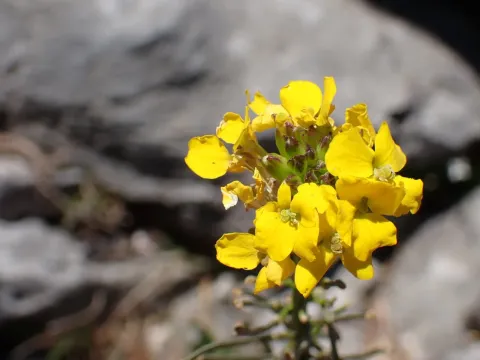
Fragrant wallflower
Erysimum odoratum
Erysimum odoratum, commonly known as fragrant wallflower, is a perennial herb belonging to the Brassicaceae family. It is native to Central and Eastern Europe, typically found in dry meadows, stony slopes, and sunny limestone grasslands.
What the section contains
Fragrant wallflower
For successful cultivation, this crop requires well-drained, alkaline, or neutral soil. It thrives in sites with full sun exposure and is highly intolerant to waterlogging, which often leads to root rot in poorly prepared fields.
The plant is known for its hardiness, tolerating harsh winter temperatures. However, its development depends on adequate soil aeration and a stable microclimate that avoids high humidity during the maturation phase.
Agricultural management includes weed control, particularly during the establishment year. As a slow-growing perennial in early stages, it requires clean seedbeds to prevent competition from aggressive weeds.
Given its medicinal importance, fertilization programs should be balanced, focusing on promoting healthy vegetative growth while ensuring that the quality of active metabolites is maintained during the harvest period.
Fragrant wallflower is susceptible to common pests affecting the Brassicaceae family, with crucifer flea beetles being the most problematic during the seedling stage, causing significant leaf damage.
Fungal diseases, such as downy mildew and various root rots, represent the primary threat in environments with poor drainage or excessive atmospheric moisture levels during the peak growing season.
Aphids can also colonize the plant, causing stunted growth and the curling of leaves, which reduces the photosynthetic capacity of the plants and affects final biomass yield.
Effective management requires rigorous monitoring and the implementation of integrated pest management (IPM) strategies to minimize the need for chemical interventions near harvest time.
Rotation practices should be strictly followed, avoiding consecutive cultivation on land previously occupied by other cruciferous crops to prevent the buildup of soil-borne pathogens and pests.