
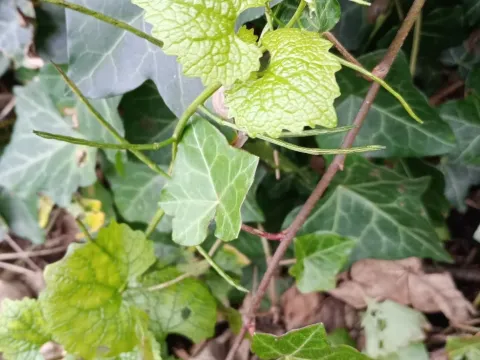
Garlic mustard
Alliaria
Garlic mustard (Alliaria petiolata) is a biennial herbaceous plant belonging to the Brassicaceae family. It is widely recognized for its distinct garlic-like aroma and presence in both wild and cultivated gardens.
What the section contains

Garlic mustard
The best time to sow seeds is in late autumn. Like many other biennial plants, it requires a period of cold stratification to break seed dormancy and ensure successful germination in the following spring.
If sown in spring, seeds should be pre-chilled in a refrigerator for a month. Sowing depth should be shallow, approximately 0.5 to 1 cm, as the seeds are quite small.
The plant produces a basal rosette of heart-shaped leaves during its first year, providing a steady harvest for the gardener if managed correctly.
Garlic mustard is highly vigorous and tends to self-seed. Gardeners should monitor the plant closely to keep it within designated areas and prevent it from becoming overly aggressive.
Garlic mustard thrives in partial shade or dappled sunlight. It is an excellent choice for woodland gardens or shaded patches where many traditional vegetables struggle to grow.
The soil should be rich in organic matter, moist, and well-draining. While it prefers neutral soil, it is generally adaptable to a wide range of soil conditions, including slightly alkaline ones.
The plant is frost-hardy and easily survives the winters of temperate regions. It prefers moist environments but should not be left in waterlogged soil.
Regular weeding is essential during the establishment phase. Once the plant has developed its rosette, it tends to outcompete weeds on its own.
Watering is necessary during extended dry spells, particularly for younger plants that have not yet established deep root systems.
The most common pests affecting garlic mustard are flea beetles, which can cause significant leaf damage, especially in the early spring months.
Fungal diseases like powdery mildew are common in damp, crowded conditions. Providing adequate air circulation between plants is the best preventative measure.
Aphids can occasionally infest the flower stalks during the second year of growth, which can be mitigated with mild insecticidal soaps.
Since it belongs to the mustard family, avoid planting it in areas recently used for other cruciferous crops to prevent the buildup of soil-borne pathogens.
Biological pest control methods, such as encouraging beneficial insects, are highly recommended to keep the population of potential pests under control.
First-year leaves are the primary harvest target and are best picked before the plant bolts and begins to flower. They possess a tender texture and a clean, fresh garlic flavor.
The leaves are extremely versatile in the kitchen, suitable for pesto, raw salads, sandwiches, and as a flavoring agent in cooked vegetable dishes.
The roots of the first-year plants also have a pungent, horseradish-like quality when harvested in autumn and can be grated for use in sauces or as a condiment.
Seeds harvested from the second-year flowering stalks can be used as a spicy seasoning, adding depth to various culinary preparations.
When drying leaves for later use, ensure they are kept in a cool, dark place to preserve the delicate essential oils that provide their characteristic scent.