
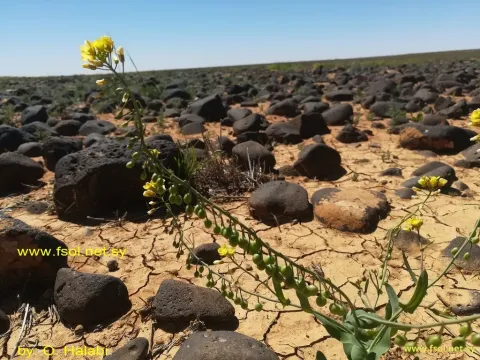
Glastaria
Glastaria
The sowing of Glastaria is typically performed during the spring season once soil temperatures consistently reach 10–12 degrees Celsius. The optimal planting window generally falls within mid-April to early May, depending on the regional climatic conditions.
What the section contains

Glastaria
Seeds are sown at a depth of 2–3 centimeters into well-prepared, friable soil to ensure optimal contact for germination. Proper spacing between rows is essential to provide plants with sufficient space for vegetative development and to facilitate subsequent field maintenance.
A seeding rate of 400,000 to 600,000 viable seeds per hectare is recommended to achieve an uniform stand density. Utilizing precision planting machinery minimizes seed wastage and ensures consistent planting depth across the entire field.
Pre-sowing treatment of seeds with appropriate protectants is mandatory to mitigate the risk of early-stage soil-borne pathogens. Starter fertilizers are often applied during sowing to promote vigorous root development and establish a strong crop foundation.
Soil moisture monitoring during the first few weeks following emergence is critical for uniform stand establishment. Irrigation should be employed in regions prone to spring drought to prevent moisture stress and ensure the survival of the young plants.
Glastaria, a member of the Brassicaceae family, thrives best in well-drained loamy soils with a neutral or slightly alkaline pH. Soils prone to waterlogging are detrimental to root health and should be avoided or corrected through land drainage.
The crop requires high levels of light exposure to reach its full vegetative potential, making open and airy field locations ideal. Excessive shading can cause stem etiolation and reduce the overall quality of the produced biomass.
The optimal temperature range for the growth phase of the crop is between 18 and 24 degrees Celsius. While the plant possesses moderate cold tolerance, prolonged frost events can interrupt growth cycles and potentially damage the developing tissues.
Fertilization strategies must be guided by soil testing to ensure a balanced supply of essential nutrients. Glastaria shows a significant response to potassium applications and specific micronutrients like boron, which are vital for plant metabolic stability.
Crop rotation is a fundamental requirement for the sustainable cultivation of Glastaria. Avoiding the planting of this species after other members of the Brassicaceae family is essential to reduce the buildup of soil-borne diseases and pests.
Crucifer flea beetles represent the primary pest threat to young seedlings, often causing severe damage in a short timeframe. Timely application of approved insecticides upon the observation of first damage symptoms is a standard practice for crop protection.
During the active vegetative growth stage, crops may face pressure from the diamondback moth and various cabbage white butterflies. Integrating pheromone traps into the field monitoring routine allows for precise timing of interventions.
Fungal diseases, including clubroot and alternaria leaf spot, pose significant risks, particularly in fields with high humidity or poor drainage. Soil liming is an effective preventative measure against clubroot in acidic soil environments.
Powdery mildew can become a concern during the mid-summer months when diurnal temperature fluctuations are pronounced. Application of systemic fungicides is recommended if initial infection symptoms appear to prevent widespread field impact.
Integrated pest management protocols emphasize the removal of wild cruciferous weeds, which often serve as reservoirs for diseases and pests. Maintaining high field hygiene and using certified disease-free seeds are cornerstones of a successful crop strategy.