
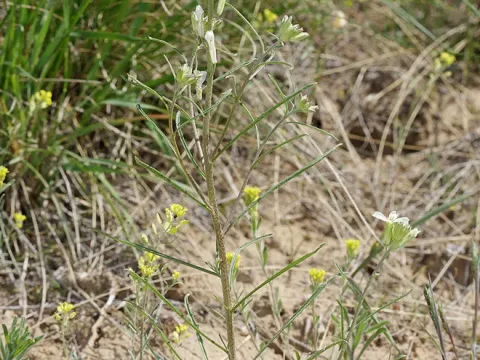
Erysimum leucanthemum
Erysimum leucanthemumm
The sowing of Erysimum leucanthemum is ideally performed in early spring once the soil temperature consistently reaches 5–8 degrees Celsius. As a representative of the Brassicaceae family, this crop requires a well-prepared seedbed to ensure uniform germination and robust development.
What the section contains
Erysimum leucanthemum
Seeds should be sown at a shallow depth of 1–2 centimeters, given their small size. For commercial production, row spacing of 30 to 45 centimeters is recommended, which allows for efficient mechanical weed control and proper airflow throughout the growing season.
Winter sowing is a viable strategy in regions with moderate winters, often leading to earlier spring establishment. It is critical to time the sowing so that germination does not occur before the onset of hard frost, ensuring the seeds remain dormant until spring.
The seeding rate typically ranges from 1.5 to 3 kilograms per hectare, depending on seed viability and soil preparation methods. Post-sowing rolling of the soil surface is essential to improve capillary water uptake, which accelerates the germination process significantly.
Once seedlings emerge, thinning may be necessary if the population density exceeds recommended limits. Maintaining adequate spacing between individual plants promotes stronger root development and higher overall biomass yields.
Erysimum leucanthemum thrives in full sunlight, which is crucial for its vegetative development and the concentration of secondary metabolites. Exposure to direct sunlight for the majority of the day is a primary requirement for a healthy and productive crop.
The plant prefers light, well-drained soil types, such as sandy loams or silt loams, with a neutral pH. Waterlogging is detrimental to this species; therefore, site selection must prioritize areas with excellent natural or artificial drainage characteristics.
The crop is well-adapted to temperate climates, showing significant resilience to fluctuations in seasonal temperatures. However, consistent moisture during the early vegetative stages is vital, as it establishes the framework for future growth.
Nutrient management should focus on a balanced application of phosphorus and potassium, which support root structure and stress tolerance. Excessive nitrogen should be avoided to prevent rank growth, which can make the plants more susceptible to lodging and diseases.
Inter-row cultivation is necessary not only for weed control but also for breaking the soil crust, which improves aeration. Proper soil management practices are essential to ensure the longevity of the stand and the consistent quality of the harvested material.
Crucifer flea beetles are the most significant pest for Erysimum leucanthemum, especially during the early growth stages. Integrated pest management strategies, including the use of contact insecticides or cultural barriers, are required to protect the crop from severe defoliation.
Fungal pathogens such as powdery mildew and alternaria leaf spot represent the primary disease threats. These pathogens flourish in humid conditions with limited airflow, underscoring the importance of plant density management and avoiding excessive irrigation.
Clubroot is a serious soil-borne disease that targets the root system of Brassicaceae crops. Implementing a strict crop rotation cycle of at least 4–5 years is the most effective way to prevent the buildup of soil pathogens in the field.
Regular field scouting is recommended to detect pest outbreaks or disease symptoms early. Early intervention with localized treatments can prevent the spread of infections throughout the field and significantly reduce economic losses.
The use of fungicide treatments should be carefully planned according to regulatory guidelines, especially as the plant approaches the reproductive stage. Adopting environmentally responsible control methods preserves beneficial insect populations that may assist in natural pest regulation.