
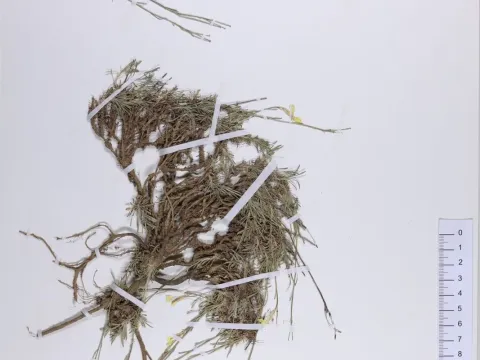
Erysimum pusillum
Erysimum pusillum
Erysimum pusillum is a perennial herbaceous plant belonging to the Brassicaceae family. It is known for its adaptation to rugged, mountainous terrains where it typically grows in rocky, well-drained habitats characterized by high solar radiation.
What the section contains
Erysimum pusillum
The culture requires excellent soil aeration to prevent root rot. It thrives in calcareous, nutrient-poor soils with a neutral or slightly alkaline pH. High fertility in the soil is not required and can even be detrimental to the plant's health.
Climatic requirements involve a need for cool, temperate conditions. Erysimum pusillum is highly resistant to frost and strong winds, which makes it suitable for exposed areas where other species might struggle to survive.
Water management is the most critical aspect of its agrotechnology. The soil should be allowed to dry out between watering sessions to ensure the root system does not stay in a permanently moist environment, which encourages pathogens.
Proper plant spacing is essential to ensure adequate airflow around the foliage. Crowding leads to increased humidity in the micro-environment, significantly raising the risk of fungal infections and hindering optimal growth.
Crucifer flea beetles are the primary pests affecting young seedlings. They can cause significant damage to the cotyledons and early leaves, often requiring protective barriers or targeted organic treatments during the sensitive establishment phase.
Root-rot diseases are the most common threats when the plant is grown in poorly drained soil. These pathogens thrive in stagnant water conditions and can quickly lead to the death of the entire plant if left unmanaged.
Aphid infestations may occur during warmer spells of the growing season. They tend to cluster on developing flower buds and succulent tips, potentially reducing the overall vitality and aesthetic value of the plant.
Powdery mildew can affect the foliage during periods of high humidity and poor air circulation. Regular monitoring and removing infected plant matter are standard practices for keeping the infestation under control.
Slugs and snails can be problematic in rainy weather, feeding on the tender leaves. Using coarse grit or gravel as a mulch around the base of the plant acts as a natural deterrent, protecting the vegetation from mollusk damage.