
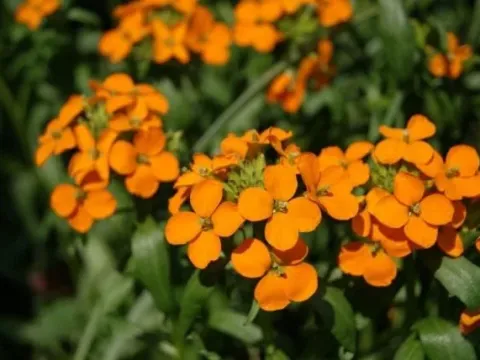
Erysimum perofskianum
Erysimum perofskianum
Sowing of Erysimum perofskianum seeds is typically performed in early spring once the soil temperature is stable. Direct sowing in prepared beds is a common practice for this cold-hardy species.
What the section contains
Erysimum perofskianum
For earlier flowering, seeds can be started indoors in trays during late winter. This ensures seedlings are strong enough for transplanting into the field as soon as frost risk passes.
Optimal spacing is crucial for plant development, with recommended gaps of 20 to 30 centimeters between individual plants. This density prevents competition for nutrients and ensures adequate air circulation.
Seeds are small and should be covered lightly with fine soil, approximately 1 centimeter deep. Maintaining consistent surface moisture is vital during the germination phase, which usually lasts about two weeks.
The culture thrives when established in rows, which simplifies weeding and nutrient application during the primary growth stages of the season.
Erysimum perofskianum is a member of the Brassicaceae family, native to regions with well-drained, sunny environments. It requires full sunlight to achieve optimal vegetative growth and profuse flower production.
The plant prefers light, sandy to loam-textured soils with good drainage. Poorly drained, heavy clay soils often lead to root rot and should be amended with organic matter or grit before planting.
It is remarkably drought-tolerant once established, making it suitable for low-maintenance areas or xeriscaping. Excessive watering is generally counterproductive and detrimental to its health.
Soil pH should ideally be neutral or slightly alkaline. While the plant can tolerate nutrient-poor soil, a balanced fertilization regimen during the vegetative stage helps sustain its ornamental value.
Deadheading spent flowers is highly recommended to encourage additional bloom cycles and maintain a tidy appearance throughout the active growing season.
Flea beetles are the most frequent pests, capable of causing significant foliar damage. Protective netting or specialized organic insecticides can effectively manage their population during early growth.
Powdery mildew may occur in stagnant, humid conditions. Improving airflow through correct plant spacing and avoiding overhead watering helps to significantly mitigate this fungal risk.
Clubroot is a serious disease in the Brassicaceae family that results in root swelling. If detected, the affected plants must be removed and the site should not be used for cruciferous crops for several years.
Aphids can sometimes infest tender shoots and buds. Monitoring the plants regularly allows for early intervention with mild soaps or biological control agents if an infestation occurs.
Effective weed management is necessary as many common weeds serve as secondary hosts for diseases that affect the Erysimum species, thereby increasing overall crop risk.