
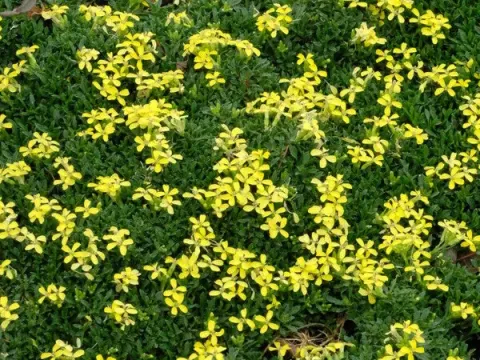
Erysimum pulchellum
Erysimum pulchellum
Erysimum pulchellum, commonly known as a type of wallflower, is a perennial herbaceous plant belonging to the Brassicaceae family. Its natural habitat is primarily mountainous terrain, which has endowed the species with remarkable hardiness and adaptability to rocky, well-draining soils.
What the section contains
Erysimum pulchellum
The plant thrives in full sun, making it an excellent candidate for rock gardens and borders where exposure to sunlight is consistent. It is highly intolerant of waterlogged soil, so proper drainage is essential to ensure the longevity of its root system.
Botanically, it forms dense rosettes or mounds of narrow leaves, producing vibrant yellow flowers that bloom in early to mid-spring. Its low-growing, spreading habit makes it a popular choice for ground cover in xeriscaping or alpine-themed gardening projects.
In terms of soil composition, Erysimum pulchellum prefers a neutral to slightly alkaline pH. It is a drought-tolerant species once established, requiring very little supplemental watering during the peak of the growing season if soil drainage is adequate.
The plant is not overly demanding regarding fertility. A light dressing of compost or balanced fertilizer once a year is typically sufficient to promote vigorous blooming and maintain the plant's health throughout the season.
Seeds of Erysimum pulchellum are best sown in early spring in well-prepared, loose soil. They require light to germinate, so they should be surface-sown and only lightly pressed into the growing medium without being buried deep under the soil surface.
For best results, maintain a consistent moisture level while ensuring the seeds are kept in a bright location. The germination period generally lasts two to three weeks, during which temperatures should be kept around 15 to 20 degrees Celsius.
Seedlings should be thinned or transplanted once they develop their first set of true leaves. Since the plant possesses a taproot, it is best to transplant them at a young age to avoid causing undue stress and stunted growth due to root damage.
Spacing should be managed to ensure adequate air circulation between individual plants. Planting at a density of about 30 centimeters apart is recommended to prevent the buildup of humidity, which can lead to fungal issues in the mature foliage.
Propagation can also be achieved through stem cuttings taken after the flowering cycle. This method is effective for maintaining the desired characteristics of a specific clone and allows for quicker establishment in the garden bed compared to seed starting.
The primary threat to Erysimum pulchellum is root rot caused by poor soil drainage. If the substrate remains damp for extended periods, the crown of the plant may quickly succumb to fungal decay, especially during cooler, wetter months of the year.
Pests such as flea beetles can pose a nuisance by creating tiny holes in the leaves during the early vegetative stage. Monitoring is key; if damage is observed, applying targeted organic insecticidal soaps can mitigate the problem without harming beneficial insects.
Aphid infestations may target the developing flower buds, draining them of sap and potentially distorting the blooms. A strong spray of water is often enough to remove aphids, though severe infestations might require a more systemic approach with botanical insecticides.
Powdery mildew is a potential risk in areas with low light or poor air circulation. By placing the plants in open, airy locations and removing debris from the base, growers can significantly reduce the environment favorable for pathogen development.
Deadheading or pruning back spent flower stalks is an essential part of the care routine. This practice not only keeps the garden looking tidy but also prevents the plant from wasting energy on seed production, directing it instead toward healthy foliage growth.