
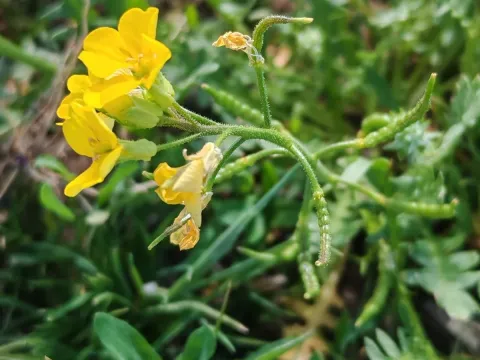
Chorispora sibirica
Chorispora sibirica
Chorispora sibirica is a perennial herbaceous plant belonging to the Brassicaceae family. It is naturally adapted to rugged, high-altitude environments and rocky landscapes, demonstrating significant resilience to harsh climatic conditions.
What the section contains
Chorispora sibirica
The plant possesses a deep taproot system, which is a key biological adaptation allowing it to thrive in nutrient-poor, well-drained soils. Its ability to extract moisture from deep layers makes it drought-tolerant once established.
In cultivation, Chorispora sibirica requires full sun exposure to maintain vigorous growth and produce sufficient biomass. It performs best in neutral to slightly alkaline soil conditions with excellent drainage properties to prevent root decay.
Temperature tolerance is a hallmark of this species, as it can withstand freezing temperatures without significant tissue damage. During the growing season, it prefers cool to moderate weather, avoiding excessively humid and warm conditions.
Agricultural management should focus on maintaining open planting patterns to ensure proper aeration, which reduces the risk of moisture accumulation around the plant base and promotes consistent development.
Cruciferous flea beetles represent the most significant pest threat to Chorispora sibirica, especially during the early seedling stage when tender leaves are most vulnerable to feeding damage.
Fungal diseases related to excessive moisture, such as powdery mildew or clubroot, can occur in suboptimal environmental conditions. Proper field management is essential to mitigate these risks effectively.
Integrated pest management strategies are recommended, focusing on crop rotation with non-Brassicaceae plants to break the life cycles of common pests and soil-borne pathogens associated with the family.
Regular monitoring of plant health is vital, particularly during the transition between spring and summer, to detect early signs of insect infestations before they reach economic damage thresholds.
Cultural practices, such as removing crop residues and weeds, play a major role in preventing the overwintering of pests and reducing the overall inoculum levels for potential plant diseases.