
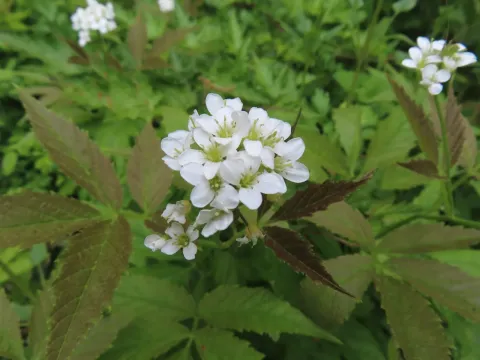
Cardamine leucantha
Cardamine leucantha
Cardamine leucantha is a perennial herbaceous plant belonging to the Brassicaceae family. Propagation is primarily achieved through seeds, which should be sown in late autumn or early spring, provided they have undergone a period of stratification.
What the section contains
Cardamine leucantha
When sowing, seeds should be lightly covered with fine soil or compost, as they require high levels of moisture for germination. Using a seed drill or manual row planting allows for better management of plant spacing, typically keeping rows 20 to 30 centimeters apart.
Early spring sowing is generally favored in temperate regions to take advantage of natural soil moisture. The seeds typically germinate within two to three weeks when temperatures are between 12 and 15 degrees Celsius.
Vegetative propagation is also a highly effective method for commercial scale expansion. By dividing mature, healthy clumps in the autumn, growers can quickly multiply their stock while ensuring the uniformity of the next generation of plants.
The establishment phase is critical. Providing consistent light irrigation immediately after sowing prevents the soil surface from drying out, which is the most common cause of germination failure in this species.
This species is native to humid forest floors and riparian habitats in East Asia. Consequently, it requires a shaded or semi-shaded environment to thrive, as direct midday sunlight can stress the plants and reduce leaf quality.
The ideal soil is rich in organic matter, slightly acidic to neutral in pH, and consistently moist. It does not tolerate prolonged drought, making supplemental irrigation essential in areas where rainfall is seasonal or unpredictable.
While the plant is hardy and well-adapted to cold climates, it benefits from a layer of organic mulch. Mulching not only helps retain soil moisture but also protects the shallow root system from extreme temperature fluctuations during the dormant season.
Good soil aeration is necessary to prevent root rot. Incorporating compost or well-rotted manure into the soil profile significantly improves structural drainage while maintaining the fertility needed for vigorous vegetative growth.
In terms of climate, Cardamine leucantha prefers cool to moderate weather. High summer temperatures can induce early flowering, which redirects energy away from the leaves and often causes the foliage to lose its palatable texture.
The primary yield from Cardamine leucantha consists of its tender, flavorful leaves. Harvesting should occur during the pre-flowering stage, as this is when the plant's nutritional profile and sensory qualities are at their peak.
Frequent, light harvesting of outer leaves can encourage continuous growth throughout the season. This "cut-and-come-again" method maximizes total yield and provides a steady supply of fresh greens for the market.
Yield stability increases as the plants mature into their second and third years. A well-managed plantation can remain productive for several years, provided the soil fertility is maintained through periodic top-dressing with organic fertilizers.
Because the foliage is delicate, careful handling during harvest is essential. It is best to harvest in the cool early morning hours and provide immediate cooling to ensure that the produce maintains its freshness for the end consumer.
While often treated as a specialty niche crop, its rapid growth and high tolerance for shade make it an excellent candidate for intensive indoor or vertical farming systems where light and moisture can be strictly controlled.
The most significant pest for Cardamine leucantha is the flea beetle (family Chrysomelidae). These insects can cause extensive damage to young leaves in a short period; using fine mesh netting is the most effective preventative measure.
Excessive humidity combined with poor airflow can lead to fungal infections such as downy mildew. Maintaining appropriate plant density and keeping the area free of weeds helps ensure good ventilation, significantly reducing the risk of disease.
Slugs and snails are common threats during wet growing seasons. Gardeners often use physical barriers, such as copper tape or crushed eggshells, or biological controls to protect the plants without resorting to synthetic chemicals.
Root-knot nematodes can potentially impact plant health in heavily infested soils. Rotating crops and ensuring the use of clean, pathogen-free planting stock are the best strategies to avoid these soil-borne threats.
If chemical intervention becomes necessary, it is critical to use targeted, low-toxicity products that do not leave harmful residues. Integrated Pest Management (IPM) practices are strongly recommended to sustain the crop's long-term health and safety.