
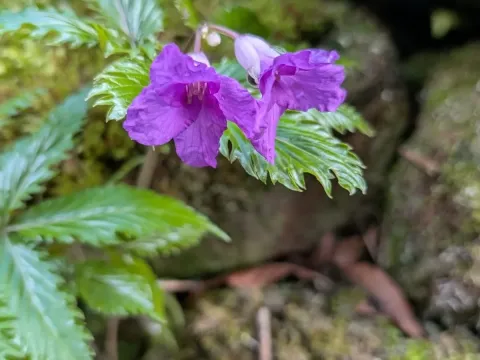
Cardamine glanduligera
Cardamine glanduligera
Cardamine glanduligera, known in some classifications as Dentaria glandulosa, is a perennial herbaceous plant belonging to the Brassicaceae family. Native to the Carpathian Mountains and surrounding woodland areas, it is highly prized for its early spring blossoms and delicate foliage.
What the section contains
Cardamine glanduligera
The plant features a creeping rhizome system that allows it to spread naturally in fertile, moisture-retentive woodland soils. Its leaves are palmately divided, and the vibrant purple flowers provide a distinct visual interest during the early growing season.
To cultivate this species successfully, it is essential to mimic its natural habitat. The plant thrives in full to partial shade, preferably under the canopy of deciduous trees that provide filtered light and seasonal protection from harsh afternoon sun.
Soil requirements focus on high organic content and excellent drainage. The plant prefers slightly acidic to neutral soil conditions, rich in leaf mold or well-rotted compost, which helps maintain the cool root environment necessary for its healthy development.
Routine maintenance includes keeping the soil consistently moist but never waterlogged. Because it is a woodland dweller, applying a layer of organic mulch around the plants each autumn helps regulate soil temperature and ensures sufficient moisture during dry spring spells.
The primary threats to Cardamine glanduligera are fungal infections triggered by inadequate drainage or poor air circulation. Root rot is the most common issue, usually resulting from soil compaction or prolonged water accumulation around the base of the plant.
Slugs and snails are the most prominent pests, particularly during the humid spring months. These mollusks can significantly damage the tender foliage of the plant, often causing aesthetic decline if left unmanaged in high densities.
Disease prevention is best achieved through site selection and hygiene. Ensuring that the planting area is free from stagnant water and removing decaying plant debris at the end of the season can help suppress the spread of opportunistic fungal pathogens.
Managing slug populations can be done through mechanical barriers like gravel or sharp mulch, which deter them from reaching the plants. Chemical treatments should be used sparingly to avoid harming the beneficial soil ecosystem that supports the rhizomes.
Over-fertilization is strongly discouraged as it may lead to weak, succulent growth that is more susceptible to both pests and infections. A balanced, organic approach to soil health is sufficient to keep the plants robust and thriving in a woodland setting.