
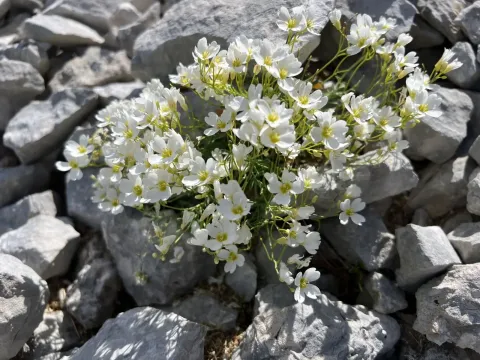
Cardamine glauca
Cardamine glauca
Cardamine glauca is a perennial herbaceous plant belonging to the Brassicaceae family. Originating from the mountain regions of Europe, this species is well-adapted to rocky, calcareous slopes where it thrives in conditions that would be challenging for many other crops.
What the section contains
Cardamine glauca
For cultivation, seeds should be sown in early spring or autumn. Since the seeds are minute, they require shallow sowing into a well-drained, porous substrate. It is crucial to maintain consistent moisture without waterlogging during the germination phase, which typically takes two to three weeks.
Growing the crop in a greenhouse or cold frame provides better control over the germination environment. Once the seedlings have developed their first true leaves, they can be carefully pricked out into individual pots to ensure the development of a robust root system before transplanting.
Spacing should be generous, allowing at least 20 centimeters between plants to ensure good airflow. Proper spacing is vital for this species, as it reduces the risk of foliar diseases and allows the foliage to display its characteristic glaucous blue-grey color to its full potential.
When sowing directly into the ground, choose a site that mimics the natural alpine environment. Incorporating grit or sand into the soil profile at the sowing site will facilitate the necessary drainage required for successful establishment of the young plants.
The primary requirement for Cardamine glauca is excellent drainage. As a plant native to rocky outcrops, it cannot tolerate heavy, waterlogged soils. A mix of garden soil, sand, and fine limestone gravel creates the ideal rooting medium for this species.
Light levels should be high, as the plant prefers full sun to light partial shade. In shade-deprived locations, the plant may lose its compact habit, becoming leggy and less resilient to environmental stressors or fungal pathogens that thrive in stagnant conditions.
Temperature tolerance is one of the key traits of this alpine plant. It appreciates cool, airy conditions and is significantly less productive in hot, humid climates. Regular watering during dry spells is necessary, but the soil should be allowed to dry slightly between applications.
Regarding soil nutrition, this crop does not require heavy fertilization. An excess of nitrogen-based fertilizers will promote lush growth, which is susceptible to pest infestation and disease. A balanced, low-concentration mineral fertilizer applied once in early spring is generally sufficient.
Winter care is minimal in colder climates, provided the drainage remains efficient. If the winter is exceptionally wet, covering the plant with a transparent frame or cold frame can prevent the crown from rotting, ensuring it survives until the next growing season.
The main threats to Cardamine glauca are fungal pathogens, particularly those causing root rot, which are triggered by excess moisture. Ensuring the soil is well-aerated is the most effective preventative measure against these devastating soil-borne diseases.
Pests such as flea beetles are common attackers of Brassicaceae and can cause significant damage to the foliage of Cardamine glauca. Early detection and the application of integrated pest management practices are essential to keep populations under control without harming the environment.
Aphids may occasionally colonize the flower stalks during the peak of the growing season. While they rarely kill the plant, they can weaken it and act as vectors for viruses, so they should be managed via manual removal or organic insecticidal soaps if their numbers escalate.
Slugs and snails represent a constant danger to the tender growth of the plant. Using copper tape or physical barriers around the plants is a recommended practice to protect the foliage from extensive grazing, especially during damp spring months.
Good cultural hygiene, such as removing debris from around the plant base and thinning dense clusters, will significantly improve the plant's resistance to all types of biotic stress, ensuring a healthy and productive crop throughout its lifespan.