
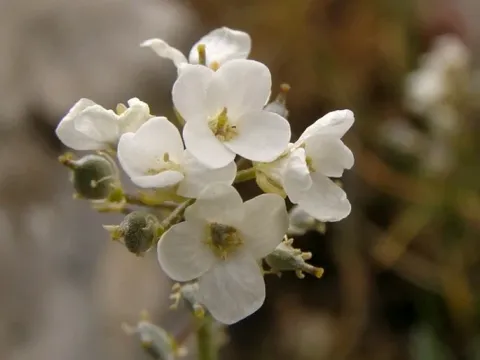
Aurinia cyclocarpa
Aurinia cyclocarpa
Aurinia cyclocarpa is a notable member of the Brassicaceae family. It is a perennial plant characterized by its resilience and ability to thrive in challenging, rocky environments, making it a valuable subject for rock gardening and xeriscaping.
What the section contains
Aurinia cyclocarpa
The botanical origin of this species is linked to mountainous terrains, which dictates its preference for well-drained, nutrient-poor substrates. It is perfectly adapted to climates with distinct temperature fluctuations and periods of low rainfall.
The primary requirement for successful growth is full sun exposure. The plant fails to thrive in shady areas, where it loses its compact habit and produces fewer flowers during the active growing season.
Regarding soil, it demands excellent drainage. Heavy clay soils are unsuitable and should be amended with grit, sand, or gravel to prevent the accumulation of water, which is the most common cause of failure in this species.
Its economic importance lies in the ornamental sector. Due to its hardiness and low maintenance needs, it is highly sought after for sustainable landscaping projects that aim to minimize irrigation and fertilizer inputs.
The primary threats to Aurinia cyclocarpa are soil-borne pathogens. Root and crown rots are common, typically triggered by poor drainage or overwatering. Maintaining dry soil conditions is the best preventive strategy.
Pests, specifically those affecting the Brassicaceae family such as flea beetles, can be a nuisance. These insects feed on the foliage, leaving small holes and potentially weakening the plant if infestations are severe.
Powdery mildew can occur if the plant is grown in areas with high humidity and poor air circulation. Proper spacing between individual plants is essential to ensure good airflow and reduce the risk of this fungal disease.
Weed competition is another factor that can negatively impact plant health. Weeds can harbor pests and increase moisture levels around the base of the plant, which is counter-productive to the needs of the species.
Cultural practices such as deadheading are recommended to maintain plant vigor. Removing spent flowers prevents seed set, which directs energy back into the plant's vegetative growth and improves its survival through winter periods.