
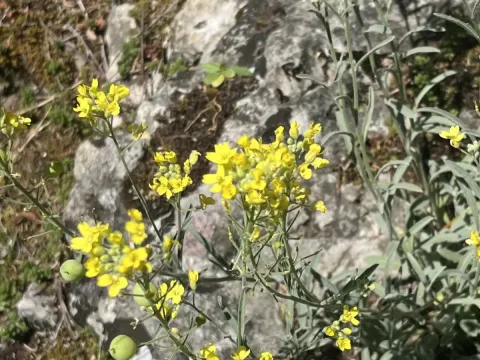
Aurinia sinuata
Aurinia sinuata
The sowing of Aurinia sinuata is typically performed in early spring, once the soil has warmed up and the risk of severe ground frost has passed.
What the section contains
Aurinia sinuata
Seeds should be sown directly into well-drained soil in a sunny location, as this species requires full sunlight to thrive and produce its signature blossoms.
When starting indoors, it is critical not to cover the seeds with too much soil, as they need light exposure for germination to occur successfully.
The germination period usually takes two to three weeks under consistent temperature conditions and moderate moisture levels within the growing medium.
Once seedlings have established at least two pairs of true leaves, they should be hardened off before being transplanted to their final growing site.
As a member of the Brassicaceae family, Aurinia sinuata is highly adapted to poor, stony soils, making it an excellent choice for rock gardens and screes.
The plant demonstrates significant drought tolerance and prefers alkaline or neutral soil types, showing poor growth in acidic or waterlogged environments.
Adequate drainage is the most vital requirement, as this plant is prone to root decay if water accumulates around the base of the crown during winter.
The species is quite hardy and capable of withstanding the harsh conditions typical of high-altitude regions, including strong winds and wide temperature fluctuations.
Regular maintenance involves removing competing weeds and occasionally thinning the plants to ensure optimal airflow, preventing moisture build-up.
The primary concern for Aurinia sinuata cultivation is the occurrence of root and crown rot, primarily driven by excessive soil moisture and humidity.
Crucifer flea beetles are the most common pests that pose a threat, particularly to young plants, as they create small holes in the foliage.
Aphids can also occasionally settle on the flower stalks, causing stunted growth and reducing the overall aesthetic appeal of the perennial.
Fungal infections, such as mildew, may occur if the plants are placed too closely together, preventing proper air circulation during the wetter months.
Integrating cultural practices like maintaining distance between plants and avoiding overhead watering helps mitigate the risk of these common threats.
Harvesting of the plant is primarily focused on seed collection, which should be performed once the seed pods begin to lose their green color and turn brown.
Gardeners should monitor the ripening process closely, as the pods are prone to shattering and releasing seeds prematurely if left on the plant for too long.
Once collected, the flower heads are dried in a well-ventilated, shaded area before the seeds are threshed and cleaned of any remaining plant debris.
The remaining foliage can be pruned back by about one-third after the main flowering flush to encourage a neat, compact habit throughout the summer.
Properly dried seeds should be stored in airtight, cool, and dark containers to maintain their viability for the following planting season.