
Arabis collina
Arabis collina
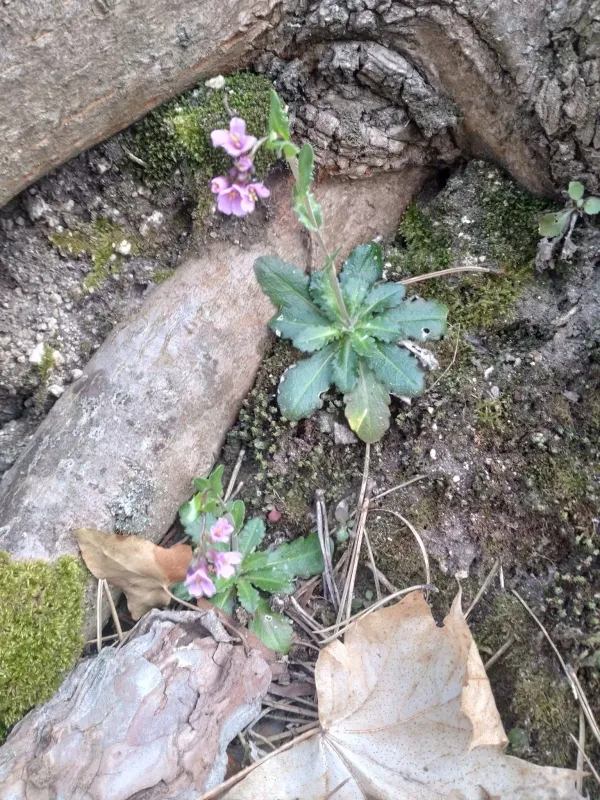
Description
Growing requirements
Arabis collina, commonly known as a type of rock cress, is a perennial herbaceous plant belonging to the Brassicaceae family. It is well-adapted to thriving in harsh, open environments and exposed landscapes.
The plant requires well-drained, porous soils, ideally with a sandy or gravelly composition. It is highly sensitive to waterlogging, as stagnant moisture quickly compromises root health and promotes plant decline.
In its native range, it inhabits dry, sunny slopes and limestone outcrops, making it a perfect candidate for xeriscaping and rock gardens where typical high-maintenance crops fail to survive.
Botanically, it features basal leaf rosettes and upright inflorescences. The dense pubescence on its leaves serves as a critical evolutionary adaptation to minimize transpiration and survive periods of high heat and drought.
Its primary use is in horticultural applications, specifically for landscaping tasks like covering dry banks, creating stone garden borders, and adding texture to low-maintenance floral displays.
Main diseases and pests
The most common disease threat for Arabis collina is powdery mildew, which tends to occur when airflow is restricted and humidity levels rise unexpectedly during the warmer season.
Flea beetles are the primary insect pests that target the foliage of this species. These small insects can rapidly skeletonize leaves, which may significantly weaken the plant if left untreated.
Aphids can frequently colonize the stems and floral buds during the early spring growth phase, causing stunted development and reducing the overall aesthetic quality of the blooms.
Root rot is almost exclusively associated with improper site selection, such as planting in clay-heavy soil that does not allow for efficient water drainage after rainfall.
Maintenance and pest control focus on prevention: ensuring full sun exposure, maintaining appropriate soil drainage, and performing periodic thinning of plants to ensure good air circulation throughout the bed.