
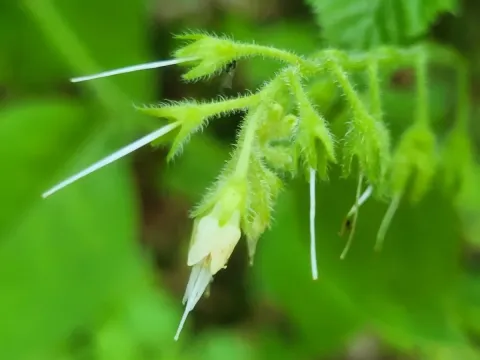
Ottoman comfrey
Symphytum ottomanum
Ottoman comfrey (Symphytum ottomanum) is a perennial herbaceous plant belonging to the Boraginaceae family. This species originates from the Mediterranean and Near Eastern regions, showing a strong adaptation to diverse environmental conditions within these zones.
What the section contains
Ottoman comfrey
The crop thrives in fertile, well-draining soils with high organic content. While it is relatively tolerant of various soil types, loamy soils that maintain consistent moisture are preferred for maximizing vegetative productivity.
Climate requirements include temperate conditions with sufficient light, although the plant displays remarkable hardiness in various thermal zones. It is essential to choose sites that prevent water stagnation, as the root system is sensitive to prolonged anaerobic conditions.
Agricultural techniques involve deep soil preparation to facilitate root penetration and the application of balanced nutrients to support the plant's rapid biomass accumulation during the growing season.
Ottoman comfrey serves multiple agricultural roles, including acting as a high-quality green manure, a nutrient accumulator for soil improvement, and a beneficial plant that supports local pollinator populations.
Ottoman comfrey is widely considered a robust crop with very few natural enemies, thanks to the chemical composition of its tissues which discourages many pests.
The most common issues arise from fungal pathogens such as powdery mildew, which may occur if the plants are grown in areas with poor air circulation and high humidity.
Insects like slugs and snails can be problematic for younger plants, particularly in wet spring conditions, potentially requiring manual control or organic barriers.
Root rot is a potential risk only in poorly drained fields where moisture levels remain excessively high for extended periods, leading to plant decay.
Management of these threats focuses on preventive agronomic practices such as proper spacing, regular monitoring, and ensuring the health of the soil structure to avoid waterlogging.