
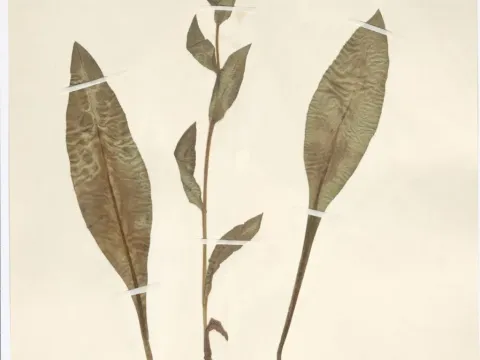
Oval-leaved lungwort
Pulmonaria ovalis
Sowing seeds of Pulmonaria ovalis is best done in autumn to allow for natural stratification during winter. If sowing in the spring, seeds should be pre-chilled in a refrigerator for several weeks to improve germination rates.
What the section contains
Oval-leaved lungwort
For indoor starts, use seed trays filled with a light, peat-based mix. Keep the soil consistently moist and place the trays in a cool spot with indirect light until the seedlings are ready to be transplanted.
Ensure the seedbed is well-prepared with loose, fertile soil enriched with organic matter. Sow the seeds shallowly, as they require a bit of light for optimal germination, covering them with only a fine layer of soil.
Vegetative propagation is highly successful for this species. Dividing mature clumps in early spring or immediately after flowering allows gardeners to expand their plantings quickly and maintain plant health.
When transplanting young plants, maintain a spacing of at least 30 to 40 centimeters. This density promotes healthy air circulation, which is vital for preventing moisture-related issues during the growing season.
The oval-leaved lungwort belongs to the Boraginaceae family and thrives in woodland-like conditions. It is an ideal plant for shade or partial shade, as intense sunlight can dehydrate its foliage.
This crop requires moist, well-draining soil rich in humus. While it prefers neutral to slightly acidic conditions, it is generally adaptable to various soil types provided they hold moisture effectively without becoming waterlogged.
Regular maintenance includes adding a layer of organic mulch around the base of the plants. This practice helps conserve soil moisture and suppresses weeds while providing long-term nutrition to the soil.
Pulmonaria ovalis is known for its hardiness. It is well-suited for temperate climates and does not require extensive winter protection, although a light mulch cover is beneficial in regions with extremely harsh winters.
During dry summer spells, supplemental watering is necessary to prevent wilting. Providing enough moisture ensures that the foliage remains lush and attractive throughout the entire growing season.
Powdery mildew is the primary threat to the foliage of this plant. It manifests as a white, dusty layer on the leaves, usually occurring when humidity is high and air movement around the plants is restricted.
Management involves thinning out overly dense clumps to improve airflow. Using fungicides designed for ornamental plants can effectively halt the progression of the infection if detected early enough.
Slugs and snails represent the most significant pest concern, particularly for young, tender leaves. They are attracted to the moisture-rich environments where lungwort thrives, necessitating vigilance.
Physical barriers such as copper tape or crushed eggshells can help discourage these mollusks. In serious infestations, organic bait can be used, provided it is applied away from pets and wildlife.
Occasional aphid attacks may occur on new growth. Simple control measures include washing the foliage with a gentle stream of water or applying neem oil, which is effective without damaging the plant's texture.