
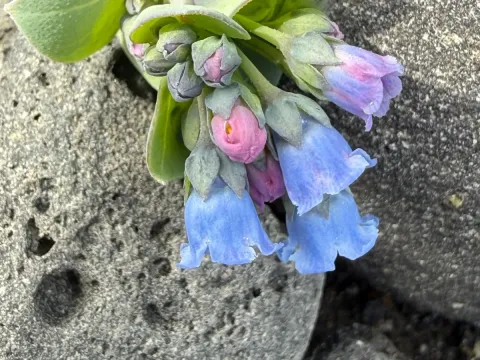
Oyster plant
Mertensia maritima
Mertensia maritima, commonly referred to as the oyster plant or sea bluebell, is a perennial herb in the Boraginaceae family. Propagation is primarily done through seeds, which require a significant period of cold stratification, typically lasting 6 to 8 weeks at temperatures near freezing to break dormancy.
What the section contains
Oyster plant
Sowing should ideally occur in late winter or early spring using a well-draining, sterile seed-starting mix. Seeds should be sown on the surface and pressed firmly into the soil, as they require light for germination and thrive in cool, temperate environments.
Once seedlings develop their first true leaves, they should be carefully handled to avoid damaging the taproot. Transplanting into individual pots or a permanent location should be performed with great caution, as the plant does not tolerate root disturbance well once established.
For outdoor sowing, sites with loose, sandy, or gravelly soil are preferred. The spacing between plants should be approximately 30 to 40 centimeters to allow for healthy air circulation, which is vital to prevent fungal diseases in the dense foliage.
Germination can be slow and sporadic; therefore, providing consistent, cool temperatures is essential. Avoiding high heat during the seedling stage is critical to preventing etiolation and ensuring the development of sturdy, compact plants.
The oyster plant thrives in conditions that mimic its native coastal environment, necessitating soil with excellent drainage. Sandy or stony soils are ideal, as they prevent water stagnation around the roots, which is the most frequent cause of plant mortality.
Although Mertensia maritima is a halophyte and tolerant of saline conditions, it does not require added salt for healthy growth in garden settings. It prefers cool temperatures and struggles significantly in regions with high humidity or intense summer heat.
Sunlight requirements include full sun to partial shade. In warmer climates, it is essential to provide shade during the hottest parts of the day to prevent the plant from wilting or going into premature dormancy during the summer season.
Watering should be managed carefully; the soil should be kept consistently moist but never waterlogged. Using a layer of clean gravel or coarse sand as mulch around the base of the plant helps keep the foliage dry and prevents soil-borne pathogens.
Nutrient requirements are modest, as the plant is adapted to nutrient-poor coastal habitats. Excess nitrogen fertilizer will produce abundant but bland foliage, whereas organic matter in the soil should be kept to a minimum to maintain the plant's unique flavor profile.
Yield for the oyster plant is typically small, making it a high-value culinary crop for gourmet markets and restaurants. A single mature plant can provide a steady supply of leaves throughout the growing season if managed through careful harvesting.
Harvesting is performed by picking only the most developed outer leaves, leaving the center of the rosette intact to continue growth. This selective approach allows for multiple harvests from a single plant over several months until the plant eventually goes dormant.
The culinary quality of the oyster plant is defined by its distinct taste of oysters or shellfish, which is most concentrated in fresh, crisp leaves. Improper handling or over-watering can significantly diminish the intensity of this flavor.
Production peaks in the second and third years of the plant's life cycle. Growers should prioritize the health of the root system to ensure longevity and consistent leaf production, as the plant's energy is stored primarily in its thick, fleshy taproot.
Beyond its culinary use, the oyster plant serves as an ornamental species due to its beautiful blue-green foliage and clusters of small, bell-shaped flowers that transition from pink to blue as they mature.
Fungal pathogens, particularly those causing root rot and powdery mildew, are the primary threats to Mertensia maritima. Ensuring adequate ventilation and avoiding overhead irrigation are the most effective cultural controls against these infections.
Slugs and snails find the succulent leaves of the oyster plant particularly appealing and can destroy a crop in a single night. Implementing physical barriers like copper tape or using eco-friendly baits is recommended for effective pest management.
Aphids may occasionally infest the younger, tender shoots during the spring. If populations become high, they should be managed with insecticidal soaps or neem oil, ensuring that any treatments are safe for human consumption if harvesting is imminent.
Soil-borne nematodes can pose a risk in certain regions, causing stunted growth and yellowing of the leaves. Maintaining a strict sanitation protocol and selecting clean, new potting media for each cycle minimizes these risks significantly.
The plant's natural resilience to cold and wind makes it a robust grower in northern latitudes, provided that the soil conditions are optimized to prevent the primary stresses of rot and moisture accumulation.
Leaves should be harvested during the early morning hours when turgor pressure is at its peak. This ensures that the leaves are crisp and maintain their unique flavor profile for as long as possible after being picked.
Post-harvest handling is critical, as the oyster plant is highly perishable. Leaves should be kept in cool, dark environments and used within 24–48 hours for the best culinary experience, as they lose their texture rapidly once removed from the plant.
For storage, placing leaves in breathable containers in the vegetable crisper of a refrigerator helps maintain freshness. Avoid placing them in direct contact with ice, as this will lead to tissue breakdown and loss of quality.
Seed harvesting should take place as the seed capsules darken, indicating maturity. Seeds must be collected promptly to prevent natural dispersal, as the plant can easily self-seed in favorable coastal garden environments.
At the end of the season, the plant will naturally die back to the rootstock. In colder climates, covering the crown with a layer of mulch provides protection against the deepest winter freezes, ensuring successful emergence the following spring.