
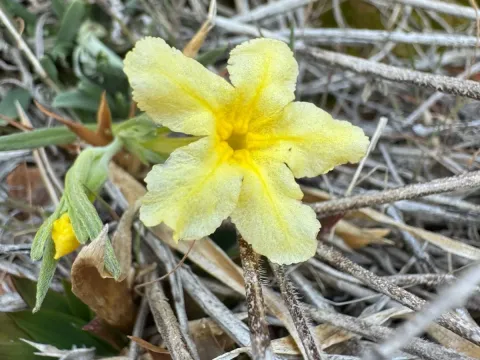
Onosmodium
Onosmodium
Sowing Onosmodium is best performed in late autumn or early spring to utilize natural soil moisture levels. The seeds have a hard seed coat, making stratification beneficial for achieving uniform germination.
What the section contains
Onosmodium
Planting depth should be kept between 1 and 2 centimeters. For field cultivation, a row spacing of 45 to 60 centimeters is recommended to ensure each plant has sufficient light and air circulation.
As a perennial crop, Onosmodium requires careful selection of the planting site. Since the plants occupy the same space for several years, initial field preparation is crucial for success.
Early growth stages can be slow, making the crop sensitive to weed competition. Integrated weed management is essential during the first season of growth to allow the plants to establish well.
Providing consistent moisture during the establishment phase is vital for young seedlings, especially if spring weather conditions turn unusually hot and dry.
Belonging to the Boraginaceae family, Onosmodium thrives in well-drained, lime-rich, or rocky soils. It is highly valued for its drought tolerance and resilience in harsh environments.
Full sun exposure is a primary requirement for the plant. Shaded conditions negatively affect both the development of the stems and the concentration of useful phytochemicals.
The plant is sensitive to waterlogging. Planting on elevated beds or ensuring good field drainage is necessary to prevent root rot in heavy or clay-dominant soils.
Onosmodium exhibits excellent cold hardiness, making it suitable for regions with freezing winter temperatures. It remains dormant through the winter and regrows in the spring.
Balanced soil fertility is sufficient for healthy growth. Over-fertilization with nitrogen should be avoided as it may compromise the quality and concentration of secondary plant metabolites.
Soil-dwelling pests, such as wireworms, pose a significant risk to the young root systems of newly established plants, often leading to thinning of the crop stand.
In humid seasons, the foliage is susceptible to powdery mildew and various leaf spots. Proper spacing and airflow are the best preventative measures against these fungal issues.
Aphid infestations can occur during the peak of the growing season, potentially damaging delicate flower buds and affecting the overall health and yield of the plants.
Good agricultural practices, such as maintaining proper plant spacing and rotating fields where possible, can significantly reduce the risk of major pest and disease outbreaks.
Routine field monitoring during periods of excessive humidity or temperature fluctuations helps in identifying potential threats early, allowing for timely and effective management.