
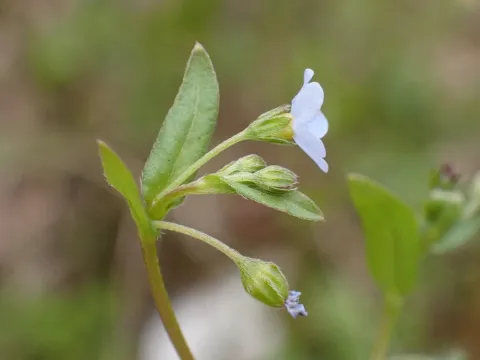
Omphalodes scorpioides
Omphalodes scorpioides
Omphalodes scorpioides is a herbaceous annual plant belonging to the Boraginaceae family. Originally found in damp forest ecosystems, it is characterized by its delicate growth habit and distinct inflorescences shaped like scorpioid cymes.
What the section contains
Omphalodes scorpioides
The plant typically reaches a height of 15–30 cm. Its foliage is soft, and it produces small, pale blue or white flowers that are iconic for the genus. It thrives in humid, shaded environments and has a natural preference for cool, woodland habitats.
In terms of soil requirements, it demands rich, loamy, and moisture-retentive earth. Proper drainage is essential to prevent root rot, while constant humidity is necessary to support the plant during its relatively short flowering cycle.
The climate requirements for Omphalodes scorpioides center on avoiding extreme heat and direct sunlight. It is best suited for garden areas that provide dappled shade throughout the day, ensuring the soil does not dry out rapidly.
While primarily of interest to botanical gardens and enthusiasts of native flora, the plant serves as a perfect example of forest-floor adaptation. Its cultivation provides insight into managing sensitive shade-loving species within diverse landscapes.
Fungal pathogens such as powdery mildew and various types of root rot represent the primary disease threats to this plant. These are frequently triggered by poor air circulation and excessive standing moisture.
Slugs and snails are the most prominent pests for this species. Given the succulent nature of the leaves, these gastropods can cause significant defoliation, often leading to the complete destruction of younger plants in susceptible areas.
Effective management includes maintaining clean growing areas to remove debris where pests might hide. Ensuring adequate spacing between individual plants is crucial to promote airflow and minimize humidity-related fungal outbreaks.
If intervention is necessary, physical barriers are the preferred method for pest control. Chemical applications should be handled with caution, as the plant's biological structure is sensitive to harsh substances.
Overall, the health of the plant depends on mimicking its natural forest habitat as closely as possible, ensuring a stable, moist, and shaded environment that reduces the risk of environmental stress and subsequent infections.