
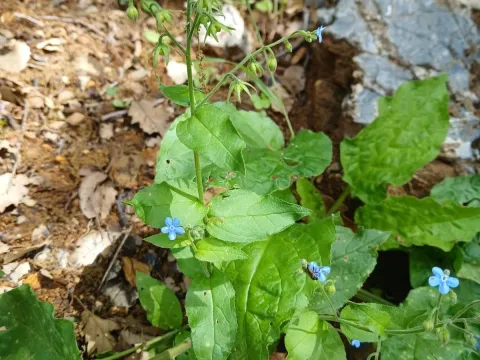
Oriental brunnera
Brunnera orientalis
Oriental brunnera (Brunnera orientalis) is a perennial herbaceous plant belonging to the Boraginaceae family. This species is highly regarded for its aesthetic value, featuring delicate flowers and lush foliage, making it a staple in shaded garden areas and woodland settings.
What the section contains
Oriental brunnera
The plant originates from the regions of Asia Minor and the Caucasus, where it adapted to temperate climate zones. It thrives in locations that provide protection from direct midday sunlight, as intense heat and solar exposure can lead to rapid wilting and leaf burn.
Soil requirements for this species are specific: it prefers fertile, moisture-retentive, and well-draining loamy soils. Incorporating organic matter, such as compost or leaf mold, into the planting site is essential to maintain high soil quality and support long-term plant health.
Agricultural techniques focus on maintaining consistent soil moisture, especially during the spring and early summer growing seasons. Mulching around the base of the plant is recommended to reduce moisture loss and suppress competing weed growth, which is vital for the plant's development.
While the plant is relatively hardy, it does not tolerate prolonged drought or waterlogged soil conditions. Providing a stable environment with moderate fertility and shade ensures the plant reaches its full ornamental potential and maintains a uniform growth habit throughout the season.
Powdery mildew is a primary concern for Oriental brunnera, appearing as a white, dusty fungal growth on the leaves. To mitigate this risk, gardeners should ensure adequate spacing between plants to allow for sufficient air circulation, which prevents the build-up of excess humidity.
Leaf spot diseases can occur during periods of high humidity and rainfall. If symptoms appear, it is important to remove and destroy the affected foliage promptly and consider applying suitable fungicides to prevent the spread of spores to healthy plant parts.
Slugs and snails are frequent pests that target the soft foliage of the plant, leaving unsightly holes. Implementation of integrated pest management strategies, such as physical barriers or environmentally friendly molluscicides, is often necessary to protect the plant's aesthetic value.
Aphids occasionally infest the developing flower buds and succulent new shoots, causing stunted growth. Regular inspection of the plant allows for the early detection and management of aphid colonies using insecticidal soaps or horticultural oils if necessary.
Proactive care, including monitoring for signs of stress and maintaining the overall cleanliness of the garden bed, significantly reduces the susceptibility of the plant to common pests and diseases, ensuring its longevity and vigorous growth each year.