
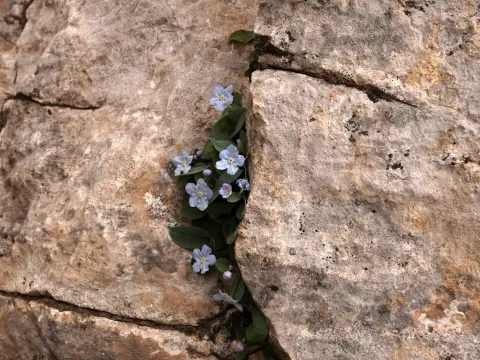
Omphalodes luciliae
Omphalodes luciliae
Omphalodes luciliae is a perennial herbaceous plant belonging to the Boraginaceae family. Originally native to the mountainous regions of Asia Minor, it has become a sought-after species for specialized ornamental horticulture and rock gardens.
What the section contains
Omphalodes luciliae
The plant requires well-drained, gritty, or stony soil to thrive, mimicking its natural habitat on mountain slopes. It prefers neutral to slightly alkaline pH levels and absolutely demands excellent aeration in the root zone to prevent physiological disorders.
Environmental requirements include a sunny location with protection from harsh, drying winds. While it is cold-hardy, the plant is susceptible to winter wetness, which necessitates a top-dressing of gravel or grit around the crown to keep the foliage dry.
Agronomic management involves minimal irrigation, as the species is adapted to survive periods of relative drought. Over-fertilization should be avoided, as excessive nitrogen leads to weak growth and reduces the plant's natural compactness.
The primary horticultural use of this culture is in alpine gardening and trough planting. Its unique glaucous foliage and delicate sky-blue flowers make it an aesthetic asset for rock garden design and professional landscaping.
The most significant threat to Omphalodes luciliae is root rot, triggered by poor drainage and waterlogged soil conditions. Ensuring a permeable substrate is the primary preventive measure against fungal pathogens in the root system.
Slugs and snails are the most common pests, as they feed on the succulent, fleshy leaves of the plant. Gardeners often use physical barriers like crushed gravel or specialized organic repellents to protect their plantings from these mollusks.
Powdery mildew can occur in environments with poor air circulation or excessive humidity. Maintaining proper spacing and keeping the foliage dry are key cultural practices to mitigate the risk of infection.
Soil-borne insects may occasionally damage the root structure, especially in newly established specimens. Monitoring the plants during the early growth stages is essential for detecting early signs of distress.
Winter dampness is a severe environmental threat that can lead to crown rot. Using appropriate drainage layers and winter covers can effectively protect the plant from damage caused by freezing and thawing cycles.