
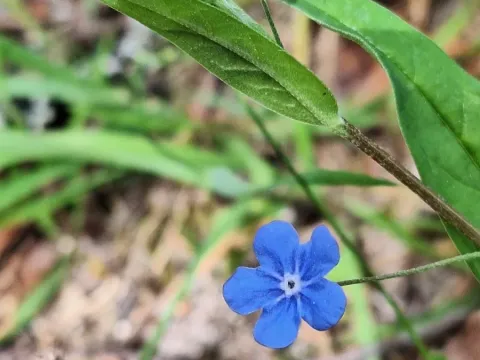
Omphalodes nitida
Omphalodes nitida
Sowing seeds of Omphalodes nitida is best performed in late autumn for natural stratification or in early spring once the danger of frost has passed. Seeds should be sown in prepared garden beds at a depth of about 1 centimeter.
What the section contains
Omphalodes nitida
For container-grown seedlings, seeds should be sown in March in a sterile, well-draining potting mix. Keep the temperature around 15–18 degrees Celsius and ensure the soil remains consistently moist during the germination process.
Once seedlings have developed two sets of true leaves, they should be pricked out into individual pots. This allows the root system to strengthen before the final transplant into the garden during the spring season.
Vegetative propagation via clump division is a preferred method for established plants. The best time for this process is early autumn, as the cooler temperatures allow the divided sections to establish their roots before the onset of winter.
When planting, ensure a spacing of 30–40 centimeters between individual plants. This spatial arrangement is crucial for maintaining proper airflow, which significantly reduces the risk of fungal diseases.
Omphalodes nitida belongs to the Boraginaceae family and thrives in cool, semi-shaded environments. It performs best when protected from harsh midday sun, which can dehydrate the plant and damage its foliage.
The ideal soil for this species is rich, loamy, and moisture-retentive, yet it must have excellent drainage. Waterlogged soil, especially during the winter months, can lead to root rot and plant decline.
Consistent moisture is vital for the health of this culture. During dry spells, regular irrigation is necessary, focusing on the base of the plant to prevent wetting the leaves excessively, which can invite disease.
While the plant is generally cold-hardy, applying a layer of organic mulch around the base in late autumn provides added protection for the root system against freezing temperatures and soil heaving.
Fertilization should be kept light and focused on the growing season. An application of compost or balanced slow-release fertilizer in early spring is typically sufficient to support vigorous growth and healthy flowering throughout the year.
Fungal pathogens such as powdery mildew and various types of gray mold are the most common threats to Omphalodes nitida. These issues are almost always associated with high humidity and poor air circulation within the plant canopy.
Preventative measures include avoiding overhead watering and ensuring that the plants are not overcrowded. Regular garden hygiene, such as removing fallen leaves and diseased plant parts, is critical for disease management.
Slugs and snails can pose a significant challenge during damp, rainy summers. These pests are attracted to the succulent foliage of the plant and can cause unsightly damage if left unmanaged.
To control these pests, gardeners can use physical barriers such as crushed eggshells or copper tape, or rely on environmentally friendly slug bait. Regular inspection of the plant base in the early morning is recommended.
If chemical interventions are necessary, always select products specifically labeled for ornamental use and strictly follow the manufacturer's safety instructions to avoid damaging the plant or the surrounding garden ecosystem.