
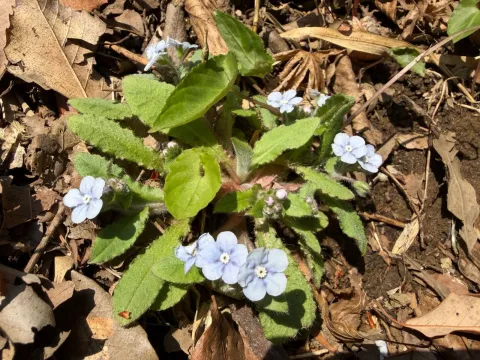
Omphalodes japonica
Omphalodes japonica
Omphalodes japonica is a perennial herb belonging to the Boraginaceae family. It is valued in ornamental horticulture for its shade tolerance and delicate foliage. Propagation is typically achieved through seeds or vegetative division of the root system.
What the section contains
Omphalodes japonica
Seeds require a period of stratification to break dormancy. For best results, sow seeds directly into the garden beds in late autumn, allowing the natural freeze-thaw cycles to facilitate germination in the spring.
When sowing in the spring, it is essential to stratify the seeds in a moist medium under refrigerated conditions for at least six to eight weeks before planting in the greenhouse or outdoor soil.
The optimal depth for sowing is shallow, approximately 0.5 to 1 centimeter deep. A light, well-draining seed-starting mix is recommended to ensure consistent moisture without risking rot during the initial stages.
Division is best performed in early spring or late summer. Each section should contain healthy roots and dormant buds to ensure vigorous growth upon replanting at intervals of 25–30 centimeters.
This species thrives in shaded or semi-shaded environments, mimicking its native habitat. Avoid areas with intense direct sunlight, which can lead to leaf scorch and dehydration during the peak of summer.
The soil should be rich in organic matter, loose in texture, and possess high moisture-retention properties. It performs best in neutral to slightly acidic soil conditions.
Adequate irrigation is critical, especially during prolonged dry spells. The plant requires consistent moisture levels in the root zone, though it is sensitive to waterlogged soil conditions.
Fertilization with a balanced, slow-release nutrient formula in the early spring supports robust leaf development. Organic amendments like leaf mold or compost are highly beneficial for long-term health.
Winter care involves providing a protective mulch layer to shield the crown from extreme temperature fluctuations, ensuring successful overwintering and early spring emergence in temperate climates.
Slugs and snails are the primary pests that damage the succulent foliage of Omphalodes japonica. Integrated management, including manual removal and the use of iron phosphate baits, is recommended.
Powdery mildew is a potential fungal issue, particularly in crowded or poorly ventilated areas with high humidity. Improving spacing and providing adequate airflow are the best preventative measures.
Root rot caused by various soil-borne pathogens can occur if drainage is insufficient. Ensuring proper soil structure and avoiding overwatering are the most effective strategies for preventing this disease.
Aphids occasionally infest the flowering stalks, causing weakening of the plant's vigor. If infestations occur, horticultural soap or specific systemic insecticides can be applied for effective control.
Regular monitoring for symptoms such as wilting, yellowing, or abnormal spots on leaves is essential. Early intervention with suitable fungicides or insecticides helps maintain the aesthetic value of the planting.