
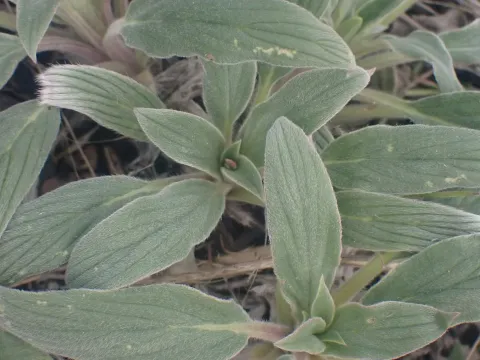
Phacelia hastata
Phacelia hastata
Sowing of Phacelia hastata should occur in early spring as soon as the soil reaches a temperature of 5-8 degrees Celsius. This species is remarkably cold-hardy, allowing it to withstand light frosts during the emergence stage.
What the section contains
Phacelia hastata
The seeding rate typically ranges from 8 to 12 kg per hectare, depending on the specific agricultural goal, such as biomass production or enhancing local pollinator habitats.
Seed depth should be kept shallow, between 1 and 2 centimeters. Proper seed-to-soil contact is critical for achieving uniform germination, especially in drier spring conditions.
Staggered planting is highly recommended for beekeepers. By sowing in ten-day intervals, growers can extend the flowering season, providing a consistent food supply for honeybees and wild pollinators.
Seedlings emerge within two weeks under optimal moisture conditions. Once established, the plants grow rapidly, quickly forming a dense canopy that helps suppress weeds.
Phacelia hastata, a member of the Boraginaceae family, is well-adapted to various soil types. It excels in well-drained soils and can even thrive in rocky or nutrient-poor terrains where other crops struggle.
Sunlight is a key requirement. While the plant may survive in partial shade, full solar exposure is necessary to maximize nectar production and overall vegetative biomass.
The plant demonstrates significant drought tolerance once its root system is fully established. It is an ideal choice for arid and semi-arid regions where water management is a concern.
An optimal soil pH ranges from 6.0 to 7.5. Although the plant is hardy, it performs poorly in stagnant, waterlogged environments, which can lead to root system decay and reduced vigor.
As a soil-building crop, its fibrous root system improves soil aeration and structural stability, making it an excellent precursor for demanding subsequent crops in a rotation cycle.
The primary economic value of Phacelia hastata lies in its role as a honey plant. It is highly valued for its nectar productivity, which can yield significant quantities of high-quality honey per hectare.
As a green manure crop, it generates substantial organic matter. When tilled into the soil, this biomass releases nitrogen and essential minerals, improving soil fertility naturally.
The plant acts as an effective living mulch. Its ability to grow quickly allows it to outcompete weeds, thereby reducing the need for chemical herbicide interventions.
Seed harvesting requires precision. To prevent shattering, seeds should be collected as soon as the seed pods begin to dry, but before they open naturally in the field.
In addition to agricultural uses, it is frequently used in ecological restoration projects to stabilize soil and promote biodiversity in degraded landscapes.
Phacelia hastata is generally resistant to many common agricultural diseases. Its natural hardiness makes it a low-input crop suitable for sustainable farming practices.
Early-season flea beetles pose the greatest risk. These pests may target the young cotyledons during warm, dry weather, potentially hindering initial growth rates.
Excessive humidity and poor drainage can predispose the root system to fungal infections. Ensuring proper field drainage is the best prophylactic measure against such threats.
Strategic crop rotation is essential for maintaining plant health. Avoiding the cultivation of Phacelia in the same plot for at least three consecutive years helps prevent pest buildup.
Integrated pest management focuses on preventive methods, including thorough soil cultivation and the elimination of host weeds surrounding the crop fields.