
Podonosma
Podonosma
Podonosma is a genus of perennial herbaceous plants belonging to the Boraginaceae family. Naturally occurring in Mediterranean regions, the Caucasus, and Western Asia, these plants have evolved to thrive in harsh, rocky, and well-drained environments, often found on limestone substrates.
What the section contains

Podonosma
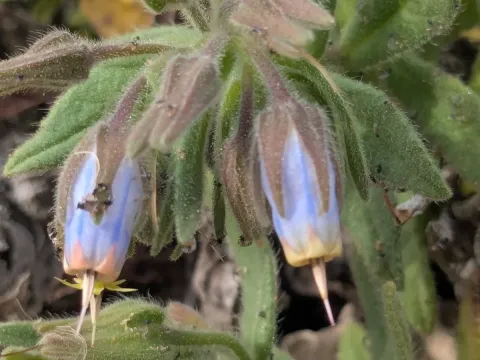
Botanically, Podonosma is characterized by its hirsute or bristly stems and leaves. This dense pubescence acts as a protective barrier against transpiration, allowing the plant to retain internal moisture even under intense solar exposure, which is typical for its native arid habitats.
Successful cultivation requires soil that mimics its natural habitat, specifically prioritizing excellent drainage. Heavy soils should be amended with grit or sand to prevent root waterlogging, as the species is highly susceptible to rot when exposed to excessive stagnant moisture in the root zone.
Regarding climate, Podonosma demands full sun exposure. It is a drought-tolerant crop that performs exceptionally well in areas with low humidity and high temperatures. In agricultural settings, it requires minimal irrigation once established, making it suitable for xeric landscapes.
The economic value of Podonosma lies primarily in its ornamental use for rock gardens and dry, sunny borders. Furthermore, due to the unique secondary metabolites found in its tissues, it remains a subject of botanical interest for potential pharmacological applications within the broader scope of Boraginaceae research.
The primary threat to Podonosma is the development of root and crown rots, caused by soil-borne fungi favored by overly wet conditions. To mitigate these risks, it is essential to ensure that the planting site has superior drainage and that air circulation around the foliage is never restricted.
Insect pests such as spider mites represent a common problem during hot and dry spells. These mites exploit the plant's physiological stress during heat waves, causing chlorosis on the leaves and eventually reducing the overall photosynthetic capacity and vigor of the specimen.
Aphids can also pose a challenge by colonizing the tender inflorescences. While often manageable, severe infestations may stunt flowering and weaken the plant's ability to produce seeds, requiring targeted intervention with environmentally friendly insecticides if the infestation threshold is exceeded.
Effective management includes preventative measures such as removing crop debris to eliminate overwintering sites for pathogens. Additionally, maintaining balanced soil fertility is crucial; excessive nitrogen application can lead to lush, soft growth that is more prone to pest colonization.
For sustainable disease control, growers should monitor for early signs of wilting. Prompt removal of infected plants can prevent the spread of soil-borne pathogens. Adhering to strict moisture management protocols remains the single most effective strategy for maintaining a healthy Podonosma stand.